The 15% Edge: Micro-Breaks for Peak Productivity and Burnout Prevention

Implementing strategic micro-breaks can significantly enhance productivity and reduce professional burnout, offering a tangible ‘15% edge’ for individuals and organizations striving for optimal work-life balance by mid-2026.
Ever feel like you’re constantly pushing, only to find your energy waning and focus slipping? What if a simple, strategic adjustment could dramatically boost your output and safeguard your well-being? The concept of The 15% Edge: Leveraging Micro-Breaks for Peak Productivity and Reduced Burnout by Mid-2026 isn’t just a catchy phrase; it’s a proven methodology for transforming how we approach work, ensuring sustained performance and a healthier professional life.
Understanding the Science Behind Micro-Breaks
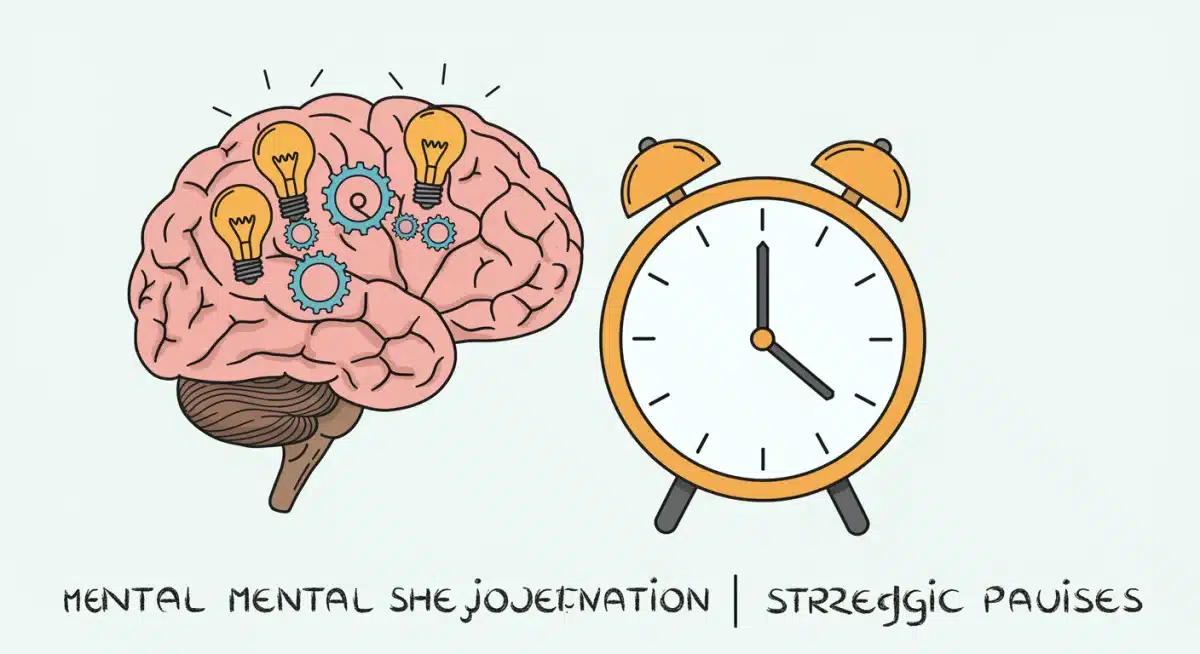
The idea of taking breaks isn’t new, but the strategic integration of ‘micro-breaks’ into our daily routines is gaining significant traction. These aren’t your typical lunch breaks or long coffee pauses; micro-breaks are short, intentional pauses, often lasting just a few minutes, designed to reset your focus and reduce cognitive fatigue before it sets in. The science supporting this approach is compelling, rooted in our brain’s natural rhythms and capacity for sustained attention.
Our brains operate in cycles, and prolonged periods of intense focus can lead to diminishing returns. Research in cognitive psychology indicates that our ability to concentrate effectively typically wanes after about 45-60 minutes. Pushing beyond this without a mental reset can breed errors, reduce creativity, and accelerate the path to burnout. Micro-breaks act as vital circuit breakers, allowing the prefrontal cortex to recover and restore its executive functions.
The Brain’s Natural Rhythms and Attention Spans
Our cognitive systems are not designed for continuous, high-intensity work. Studies have shown that ultradian rhythms, cycles of activity and rest that occur every 90-120 minutes during the day, significantly impact our energy levels and focus. Ignoring these natural rhythms can lead to mental exhaustion and decreased efficiency. Micro-breaks help us align with these inherent biological patterns, optimizing our mental performance.
- Cognitive Restoration: Short breaks allow the brain to process information, consolidate memories, and clear out mental clutter, preparing it for the next focused work block.
- Energy Replenishment: Even a few minutes away from a task can help replenish mental energy stores, preventing the feeling of being ‘drained’ by the end of the day.
- Improved Decision Making: A refreshed mind is better equipped to make sound judgments and solve complex problems, reducing the likelihood of impulsive or incorrect decisions.
In essence, micro-breaks are not a luxury but a necessity for optimal brain function. They are a proactive measure against the insidious creep of mental fatigue, ensuring that our output remains high-quality and sustainable. By understanding the underlying neuroscience, we can appreciate the profound impact these brief pauses have on our overall productivity and mental resilience.
The ‘15% Edge’: Quantifying the Impact on Productivity
The term ‘15% Edge’ isn’t arbitrary; it represents the measurable improvement in productivity and reduction in burnout that consistent, strategic micro-breaks can deliver. This isn’t about working 15% less, but rather achieving 15% more, or maintaining the same output with 15% less effort and stress. Companies and individuals who have adopted this philosophy report significant gains in efficiency, creativity, and employee satisfaction.
Consider a typical 8-hour workday. If 15% of that time (approximately 72 minutes) is allocated to strategic micro-breaks, it might seem counterintuitive to productivity. However, the data suggests otherwise. These short, dispersed pauses lead to higher quality work, fewer mistakes, and a faster completion rate for tasks that would otherwise drag on due to flagging attention. The cumulative effect is a net gain in productive output, coupled with a healthier workforce.
Real-World Applications and Case Studies
Many forward-thinking organizations are already integrating structured micro-break policies, observing tangible benefits. For instance, tech companies known for demanding work environments have found that encouraging employees to take 5-10 minute breaks every hour or so leads to better problem-solving and innovation. Call centers, where focus is paramount, have seen a reduction in agent fatigue and an increase in customer satisfaction scores when short breaks are mandated.
- Enhanced Focus: Employees return to tasks with renewed concentration, tackling complex problems more effectively.
- Reduced Errors: Mental fatigue is a primary cause of errors. Micro-breaks significantly mitigate this risk, leading to higher quality work.
- Increased Creativity: Stepping away from a problem, even for a moment, allows the subconscious mind to work, often leading to innovative solutions.
The ‘15% Edge’ is more than just an anecdotal observation; it’s a strategic framework for optimizing human performance in the modern workplace. By embracing this approach, organizations can foster a culture where sustained high performance is achieved not through relentless toil, but through intelligent work design that respects our cognitive limits.
Strategies for Implementing Effective Micro-Breaks
Successfully integrating micro-breaks into your daily routine requires intentionality and a bit of planning. It’s not just about stopping work; it’s about how you stop and what you do during that brief pause. The goal is to truly disengage from the task at hand, allowing your mind to rest and reset. The effectiveness of a micro-break lies in its quality, not just its duration.
Start by identifying natural breakpoints in your workflow. After completing a significant task, before starting a new one, or when you feel your focus beginning to waver are ideal times. The key is to be proactive rather than reactive. Don’t wait until you’re completely exhausted; take a break when you feel the first signs of fatigue or distraction.
Types of Micro-Breaks and Their Benefits
Not all micro-breaks are created equal. The most beneficial ones involve a shift in activity and environment, even if minimal. Staring at a different screen or checking social media might not provide the mental reset your brain needs. Instead, aim for activities that genuinely allow your mind to wander or engage in a low-intensity, non-work-related activity.
- Movement Breaks: Stand up, stretch, walk to the kitchen for water, or do a few quick exercises. Physical movement boosts circulation and re-energizes the body and mind.
- Mindfulness Moments: Close your eyes, take a few deep breaths, or practice a short meditation. Even 60 seconds of mindful breathing can significantly reduce stress.
- Sensory Shift: Look out a window, listen to a piece of calming music, or engage in a brief, light conversation with a colleague. Shifting your sensory input can help break mental loops.
The crucial aspect of an effective micro-break is to avoid anything that requires intense cognitive effort or adds to your mental load. This means steering clear of work emails, complex personal tasks, or engaging in emotionally charged discussions. The objective is a brief period of mental downtime to prepare you for the next productive session.
Combating Burnout: Micro-Breaks as a Preventative Measure
Burnout is a pervasive issue in today’s fast-paced work environments, characterized by emotional exhaustion, cynicism, and reduced personal accomplishment. While often associated with overwork, it’s frequently the lack of adequate recovery and consistent mental breaks that truly fuels its development. Micro-breaks serve as a powerful, proactive defense against the onset of burnout, fostering resilience and sustained well-being.
Think of your mental energy like a battery. Continuous discharge without regular recharges will inevitably lead to depletion. Micro-breaks are those frequent, small recharges that prevent the battery from ever reaching critical levels. By consistently offering your brain and body moments of respite, you build a buffer against the chronic stress that leads to burnout. This preventative approach is far more effective than trying to recover once burnout has already taken hold.
The Physiological and Psychological Impact of Consistent Breaks
The benefits of regular short breaks extend beyond just feeling refreshed. Physiologically, they can help regulate cortisol levels (the stress hormone), reduce muscle tension, and improve circulation. Psychologically, they enhance mood, reduce feelings of overwhelm, and increase job satisfaction. Over time, these small positive impacts accumulate, creating a more sustainable and enjoyable work experience.
- Stress Reduction: Regularly stepping away from stressors, even briefly, helps to lower physiological stress responses and calm the nervous system.
- Emotional Regulation: Micro-breaks provide an opportunity to process emotions and regain perspective, preventing emotional exhaustion.
- Sense of Control: Deliberately choosing to take a break reinforces a sense of control over one’s workday, a key factor in preventing feelings of helplessness associated with burnout.
By embedding micro-breaks into our daily rhythm, we are not just improving our work output; we are actively cultivating a healthier relationship with our work. This shift from continuous grind to intelligent pacing is a cornerstone of long-term professional sustainability and a crucial strategy for avoiding burnout by mid-2026.
Overcoming Obstacles: Integrating Micro-Breaks into Any Workflow
While the benefits of micro-breaks are clear, implementing them in a demanding work environment can present challenges. The pervasive culture of ‘always-on’ and the fear of appearing unproductive can deter many from taking these essential pauses. However, with a strategic approach and a shift in mindset, micro-breaks can be seamlessly integrated into virtually any workflow, from fast-paced project management to highly focused creative tasks.
The first step is to recognize that taking a micro-break is not a sign of weakness or slacking; it’s a deliberate act of self-optimization. Communicate your intentions to your team or manager, if necessary, framing it as a strategy for sustained high performance. Leading by example can also encourage others to adopt similar healthy habits, fostering a more supportive work culture.
Practical Tips for Seamless Integration
Even in the busiest schedules, there are opportunities for micro-breaks. The key is to make them a non-negotiable part of your day, just like checking emails or attending meetings. Start small, perhaps with just one or two planned micro-breaks, and gradually increase their frequency as you experience their benefits.
- Schedule Them: Treat micro-breaks like any other appointment. Use calendar reminders or productivity apps (e.g., Pomodoro timers) to prompt you.
- Batch Tasks: Group similar tasks together and plan a micro-break between different task types or projects. This provides a natural transition and mental reset.
- Create a ‘Break Nook’: If possible, identify a small, quiet space away from your primary workspace where you can take your breaks. Even a different chair or a spot by a window can help.
It’s also important to be flexible. If an urgent deadline prevents a scheduled break, make sure to compensate later in the day. The goal is consistency, not rigid adherence. By being adaptable and intentional, you can weave micro-breaks into the fabric of your workday, making them an indispensable part of your productivity toolkit.
The Future of Work: A Culture Embracing the 15% Edge
As we look towards mid-2026 and beyond, the understanding of optimal work performance is evolving. The traditional model of long, uninterrupted hours is increasingly being recognized as unsustainable and counterproductive. Instead, a more nuanced approach, one that values intelligent pacing and strategic recovery, is gaining prominence. The ‘15% Edge’ is not just a personal hack; it represents a paradigm shift in workplace culture, moving towards environments that prioritize employee well-being as a cornerstone of long-term success.
Organizations that proactively champion this shift will likely see lower rates of turnover, higher employee engagement, and a more innovative and resilient workforce. It’s about creating a sustainable ecosystem where productivity isn’t squeezed out of exhausted individuals but flows naturally from well-rested, focused, and motivated teams. This cultural transformation requires leadership buy-in and a commitment to educating employees about the profound benefits of these small, yet powerful, pauses.
Building a Sustainable and Human-Centered Workplace
The integration of micro-breaks into daily work life is a tangible step towards building more human-centered workplaces. It acknowledges that employees are not machines and that their mental and physical well-being directly impacts their ability to contribute effectively. This approach fosters a sense of care and respect, which in turn boosts morale and loyalty.
- Leadership Endorsement: When leaders model and encourage micro-breaks, it normalizes the practice and reduces any stigma associated with pausing work.
- Education and Training: Providing resources and workshops on effective micro-break techniques can empower employees to utilize them optimally.
- Infrastructure Support: Creating designated break areas, quiet zones, or even offering guided meditation apps can facilitate better break practices.
By mid-2026, the workplaces that thrive will be those that have fully embraced the ‘15% Edge’ – a culture where strategic micro-breaks are not just permitted, but actively encouraged and celebrated as a vital component of peak performance and a bulwark against burnout. This forward-thinking approach will define the most productive, innovative, and ultimately, humane organizations of the future.
| Key Aspect | Brief Description |
|---|---|
| The 15% Edge | A measurable increase in productivity and significant reduction in burnout achieved through strategic micro-breaks. |
| Micro-Break Definition | Short, intentional pauses (1-10 minutes) designed to reset focus and reduce cognitive fatigue during work. |
| Burnout Prevention | Micro-breaks serve as a proactive defense against chronic stress and emotional exhaustion, fostering resilience. |
| Implementation Strategies | Scheduling breaks, using timers, movement, mindfulness, and sensory shifts to optimize mental recovery. |
Frequently Asked Questions About Micro-Breaks and Productivity
A micro-break is a short, deliberate pause from work, typically lasting 1 to 10 minutes. It’s distinct from longer lunch breaks and focuses on mental disengagement through activities like stretching, walking, mindful breathing, or looking away from the screen to reset focus and reduce fatigue.
For optimal results, aim to take a micro-break every 45-60 minutes of focused work. This aligns with natural cognitive attention spans and helps prevent mental fatigue before it significantly impacts your productivity. Consistency is more important than rigid timing.
Generally, no. While it’s a break from work tasks, checking social media often requires cognitive effort and can lead to mental overstimulation or comparison fatigue, hindering genuine mental rest. Effective micro-breaks involve activities that truly disengage your mind from demanding tasks.
The ‘15% Edge’ refers to a quantifiable improvement in productivity and a significant reduction in burnout. Benefits include enhanced focus, fewer errors, increased creativity, better decision-making, reduced stress, and improved overall job satisfaction and well-being.
Workplaces can encourage micro-breaks by leading by example, educating employees on their benefits, providing designated break areas, and integrating tools like Pomodoro timers. The focus should be on higher quality, sustained output rather than continuous, fatigued work, ultimately leading to better deadline adherence.
Conclusion
The journey towards mid-2026 calls for a re-evaluation of our work habits, recognizing that relentless effort does not always equate to superior output. The ‘15% Edge’ paradigm, rooted in the strategic application of micro-breaks, offers a powerful and scientifically backed pathway to achieving peak productivity while simultaneously safeguarding against the pervasive threat of burnout. By understanding the brain’s natural rhythms, implementing intentional pauses, and fostering a supportive workplace culture, individuals and organizations can unlock a new level of sustained performance and well-being. Embracing this intelligent approach to work is not just a trend; it’s an essential strategy for thriving in the demands of the modern professional landscape, ensuring a healthier, more focused, and ultimately, more productive future for all.