Achieve Emotional Balance: 6 Proven Techniques for Your U.S. Routine

Implementing practical solutions for emotional balance in your U.S. daily routine by 2026 involves adopting six proven techniques that foster mental well-being and stress resilience for a more harmonious life.
In our fast-paced American society, maintaining emotional equilibrium can feel like an unending challenge. This article explores Practical Solutions: Implementing 6 Proven Techniques for Emotional Balance in Your U.S. Daily Routine by 2026, offering actionable strategies to cultivate inner peace and resilience amidst daily stressors.
Mastering Mindfulness and Presence
Mindfulness is more than just a buzzword; it’s a powerful practice that can significantly enhance your emotional well-being. It involves focusing on the present moment, acknowledging thoughts and feelings without judgment, and can be integrated into even the busiest U.S. schedules.
Cultivating mindfulness helps you detach from overwhelming thoughts about the past or future, grounding you in the here and now. This practice reduces anxiety and improves emotional regulation, enabling a calmer response to daily challenges.
Simple Mindfulness Exercises
Integrating mindfulness doesn’t require extensive time commitments. Small, consistent practices yield significant benefits.
- Mindful Breathing: Take a few moments each day to focus solely on your breath, observing its rhythm and sensation.
- Mindful Eating: Pay attention to the flavors, textures, and aromas of your food without distraction.
- Body Scan Meditation: Lie down and systematically bring awareness to different parts of your body, noticing any sensations.
By regularly practicing these exercises, you train your mind to stay present, which in turn fosters a greater sense of calm and control over your emotional state. This sustained presence is a cornerstone of achieving lasting emotional balance.
Conscious Breathing Techniques for Instant Calm
Our breath is a powerful, yet often overlooked, tool for immediate emotional regulation. Conscious breathing techniques can quickly shift your physiological state, moving you from stress to calm in a matter of minutes. In the demanding U.S. environment, these techniques are invaluable for on-the-spot relief.
When stressed, our breathing tends to become shallow and rapid. By intentionally slowing down and deepening your breath, you activate the parasympathetic nervous system, which is responsible for rest and digestion, counteracting the fight-or-flight response.
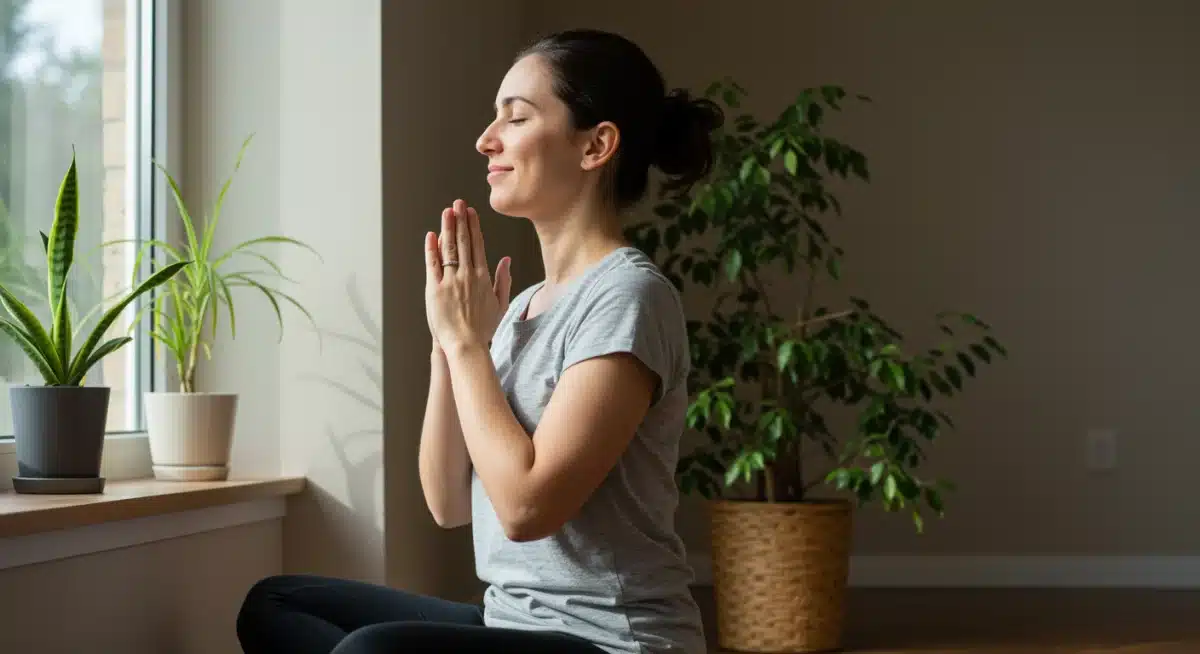
Popular Breathing Methods
Several breathing techniques are widely recognized for their effectiveness in promoting relaxation and emotional stability.
- Diaphragmatic Breathing (Belly Breathing): Inhale deeply, allowing your abdomen to rise, and exhale slowly, feeling your abdomen fall.
- 4-7-8 Breathing: Inhale for 4 counts, hold for 7, and exhale for 8. This technique is excellent for reducing anxiety and aiding sleep.
- Box Breathing: Inhale for 4, hold for 4, exhale for 4, hold for 4. This creates a rhythmic pattern that calms the nervous system.
Incorporating these conscious breathing practices into your daily routine, even for just a few minutes, can significantly improve your ability to manage stress and maintain emotional balance throughout the day. They provide a quick, accessible way to regain composure when faced with emotional triggers.
Establishing Healthy Digital Boundaries
In the digital age, constant connectivity often leads to information overload and increased stress. Establishing healthy digital boundaries is crucial for protecting your mental and emotional well-being, especially within the U.S.’s highly connected society. Excessive screen time can disrupt sleep, increase anxiety, and reduce face-to-face social interactions.
A digital detox doesn’t mean abandoning technology entirely, but rather being intentional about its use. This involves setting clear limits on screen time, especially before bed, and designating tech-free zones or periods in your day.
Strategies for Digital Detox
Implementing effective digital boundaries requires conscious effort and consistency.
- Scheduled Screen-Free Time: Designate specific hours each day, such as an hour before bed or during meals, as completely screen-free.
- Notification Management: Turn off unnecessary notifications on your phone to reduce distractions and the urge to constantly check your device.
- Tech-Free Zones: Create areas in your home, like the bedroom, where digital devices are not allowed, promoting relaxation and better sleep.
By proactively managing your digital consumption, you can reclaim valuable time for other activities that support emotional balance, such as reading, spending time in nature, or engaging in hobbies. This intentional detachment from screens contributes significantly to a more peaceful and balanced mind.
Cultivating Meaningful Social Connections
Humans are inherently social beings, and meaningful connections play a vital role in our emotional health. In a society that often prioritizes individual achievement, nurturing strong social bonds can be a powerful antidote to loneliness and stress. These connections provide support, understanding, and a sense of belonging, all essential for emotional balance.
Isolation can exacerbate negative emotions, while strong social networks act as a buffer against life’s challenges. Prioritizing time with loved ones, whether family or friends, enhances overall well-being and provides an outlet for emotional expression.
Strengthening Your Support System
Actively working to build and maintain social connections can take many forms.
- Regular Check-ins: Make an effort to regularly connect with friends and family, even if it’s just a quick call or message.
- Join Community Groups: Engage in local clubs, volunteer activities, or hobby groups that align with your interests, fostering new connections.
- Practice Active Listening: When conversing with others, give them your full attention, showing genuine interest and empathy.
Investing in your social relationships is an investment in your emotional health. These connections provide a sense of purpose and shared experience, reinforcing your emotional resilience and contributing significantly to a balanced life.
Prioritizing Physical Activity and Nutrition
The mind and body are intricately linked, and neglecting one can negatively impact the other. Regular physical activity and a balanced diet are fundamental pillars for achieving and maintaining emotional balance. In the U.S., where sedentary lifestyles and processed foods are common, making conscious choices about movement and nutrition is paramount.
Exercise releases endorphins, natural mood elevators, and helps reduce stress hormones. Similarly, nutrient-rich foods provide the brain with the fuel it needs to function optimally, influencing mood, energy levels, and cognitive clarity.
Integrating Healthy Habits
Making sustainable changes to your physical activity and nutrition doesn’t have to be drastic.
- Daily Movement: Aim for at least 30 minutes of moderate exercise most days of the week, whether it’s walking, cycling, or dancing.
- Balanced Meals: Focus on whole, unprocessed foods, including plenty of fruits, vegetables, lean proteins, and healthy fats.
- Hydration: Drink adequate water throughout the day, as dehydration can impact mood and concentration.
By making consistent efforts to prioritize your physical health, you create a strong foundation for emotional stability. A well-nourished and active body is better equipped to handle stress and maintain a positive emotional outlook, leading to greater overall balance.
Journaling for Emotional Processing and Clarity
Journaling is a powerful, yet simple, technique for processing emotions, gaining self-awareness, and reducing stress. It provides a private space to explore thoughts and feelings without judgment, offering clarity and perspective on life’s challenges. In the busy U.S. lifestyle, taking a few moments to journal can be a profound act of self-care.
Putting your thoughts on paper can help externalize worries, making them feel less overwhelming. This practice also allows you to identify patterns in your emotional responses and develop strategies for coping more effectively.
Effective Journaling Practices
To maximize the benefits of journaling, consider these approaches.
- Free-Form Writing: Simply write whatever comes to mind without censoring yourself, allowing thoughts and emotions to flow freely.
- Gratitude Journaling: Each day, list things you are grateful for, shifting your focus towards positivity and appreciation.
- Problem-Solving Journaling: Use your journal to analyze specific problems, brainstorm solutions, and reflect on potential outcomes.
Regular journaling can lead to a deeper understanding of your emotional landscape, helping you to navigate difficult feelings with greater ease and confidence. It’s a proactive step towards fostering self-awareness and achieving a more integrated sense of emotional balance.
| Key Technique | Brief Description |
|---|---|
| Mindfulness | Focusing on the present moment without judgment to reduce anxiety and enhance awareness. |
| Conscious Breathing | Utilizing specific breathing patterns to quickly calm the nervous system and manage stress. |
| Digital Boundaries | Setting intentional limits on screen time to reduce overload and improve mental clarity. |
| Journaling | Writing to process emotions, gain self-awareness, and reduce the impact of stress. |
Frequently Asked Questions About Emotional Balance
Emotional balance refers to the ability to manage and respond to emotions in a healthy, adaptive way. It’s crucial for overall well-being, reducing stress, improving relationships, and enhancing decision-making, leading to a more fulfilling life.
The speed of results varies for each individual. Some techniques, like conscious breathing, can offer immediate relief, while others, like mindfulness and journaling, require consistent practice over weeks or months for noticeable long-term benefits and deeper emotional regulation.
Absolutely. Many of these techniques are designed for flexibility. Brief mindfulness moments, short breathing exercises, and setting digital boundaries can easily be integrated into even the most demanding U.S. daily routines, requiring only a few minutes each day.
While these techniques are highly effective, they are not a substitute for professional mental health support. If you experience persistent emotional distress, anxiety, or depression, seeking guidance from a therapist or counselor is a crucial step towards comprehensive emotional well-being.
Meaningful social connections provide critical emotional support, reduce feelings of isolation, and foster a sense of belonging. Strong social bonds act as a buffer against stress and contribute significantly to overall happiness and resilience, vital for sustained emotional balance.
Conclusion
Achieving and maintaining emotional balance in the U.S. daily routine by 2026 is an attainable goal through the consistent application of these six proven techniques. By integrating mindfulness, conscious breathing, healthy digital boundaries, meaningful social connections, physical activity, and journaling into your life, you can cultivate a profound sense of inner peace and resilience. These practical solutions offer a holistic approach to mental well-being, empowering you to navigate life’s complexities with greater calm and clarity, ultimately leading to a more balanced and fulfilling existence.