Reclaim 10 Hours Weekly: Digital Detox for US Work-Life Balance

Reclaiming 10 hours weekly through a strategic digital detox is achievable for US professionals in 2026, significantly enhancing work-life balance by reducing screen time and fostering mindful engagement with technology.
In our hyper-connected world, the quest to reclaim 10 hours weekly: a 2026 guide to digital detox for enhanced work-life balance in the US has become more critical than ever. This guide explores actionable strategies for US professionals to disconnect from digital overload, fostering a healthier relationship with technology and unlocking valuable time for personal growth and well-being.
The Digital Overload Epidemic in the US: A 2026 Perspective
The relentless pace of digital life has profoundly impacted work-life balance across the United States. As we navigate 2026, the lines between professional and personal time have blurred, largely due to the omnipresence of smartphones, constant notifications, and the expectation of instant availability. This constant connectivity, while offering conveniences, often leads to increased stress, decreased productivity, and a diminished sense of personal well-being.
Many US workers find themselves inadvertently sacrificing personal time, family moments, and even sleep to digital demands. The societal pressure to be always ‘on’ has evolved into a pervasive cultural norm, making it challenging for individuals to disengage and truly relax. This digital overload isn’t just about screen time; it’s about the cognitive load associated with managing multiple digital identities and the anxiety stemming from perceived obligations to respond immediately.
Understanding the Impact of Constant Connectivity
The human brain isn’t designed for perpetual stimulation. Constant digital input can lead to decision fatigue, reduced attention spans, and even impact emotional regulation. In 2026, with the rise of even more immersive digital experiences and AI-driven tools, the challenge to maintain mental clarity is growing.
- Increased Stress Levels: The pressure to respond quickly to emails and messages creates a constant state of alert.
- Reduced Sleep Quality: Blue light from screens interferes with melatonin production, disrupting sleep cycles.
- Diminished Focus: Frequent notifications fragment attention, making deep work difficult.
- Social Isolation: Paradoxically, increased digital interaction can lead to less meaningful in-person connections.
Recognizing the severity of this digital overload is the first step toward reclaiming control. It’s not about abandoning technology entirely, but rather about cultivating a more mindful and intentional relationship with it. This involves understanding its pervasive influence and actively seeking ways to mitigate its negative effects on our daily lives.
The digital overload epidemic in the US in 2026 is a complex issue with far-reaching consequences for individual well-being and societal health. Addressing it requires a conscious effort to establish boundaries and prioritize personal time over digital demands, paving the way for a more balanced existence.
Defining Your Digital Detox: Goals and Expectations
Embarking on a digital detox is not a one-size-fits-all endeavor; it requires a clear understanding of your personal goals and realistic expectations. Before you can truly reclaim 10 hours weekly, it’s essential to define what a digital detox means for you in 2026. Is it about reducing social media consumption, limiting work-related screen time after hours, or perhaps a complete weekend disconnect? Your objectives will shape your strategy.
Many people approach digital detoxes with an all-or-nothing mindset, which often leads to failure. Instead, consider a phased approach, identifying specific areas where digital consumption is most detrimental to your work-life balance. For some, this might mean silencing notifications during dinner; for others, it could involve designated ‘no-screen’ zones in the home.
Setting Achievable Digital Detox Goals
Realistic goals are the foundation of a successful digital detox. Start small and gradually increase your digital-free periods. This incremental approach allows you to build new habits without feeling overwhelmed. Think about the specific activities you want to replace screen time with, such as reading, exercise, or spending quality time with loved ones.
- Identify ‘Hot Spots’: Pinpoint times and places where you are most susceptible to digital distractions (e.g., bedtime, meal times).
- Quantify Your Goal: Instead of vague promises, aim for concrete targets, like ‘no phone for the first hour after waking’ or ‘no social media after 7 PM’.
- Communicate Your Intentions: Inform family, friends, and colleagues about your detox plans to gain their support and understanding.
- Plan Alternatives: Have non-digital activities ready to fill the void left by reduced screen time.
It’s also important to manage expectations. You might not instantly reclaim 10 hours weekly from day one. The process is gradual, and there will be moments of temptation. The key is consistency and self-compassion. View setbacks as learning opportunities rather than failures, and adjust your strategy as needed.
By clearly defining your digital detox goals and setting realistic expectations, you create a personalized roadmap for achieving a healthier relationship with technology and successfully enhancing your work-life balance in the US context of 2026.
Strategic Disconnection: Practical Steps for 2026
Strategic disconnection is not about abandoning technology, but rather about using it with intention and purpose. In 2026, with the constant evolution of digital tools, developing practical steps for a digital detox requires a thoughtful approach. The aim is to create boundaries that allow you to engage with the physical world and your personal life without constant digital interruptions. This means consciously choosing when and how you interact with your devices.
One of the most effective strategies is to implement ‘digital-free’ zones and times. This could involve designating certain rooms in your home as screen-free, such as the bedroom or dining area, or setting specific hours during which all non-essential digital devices are put away. Starting with small, manageable periods can build momentum and make the transition smoother.
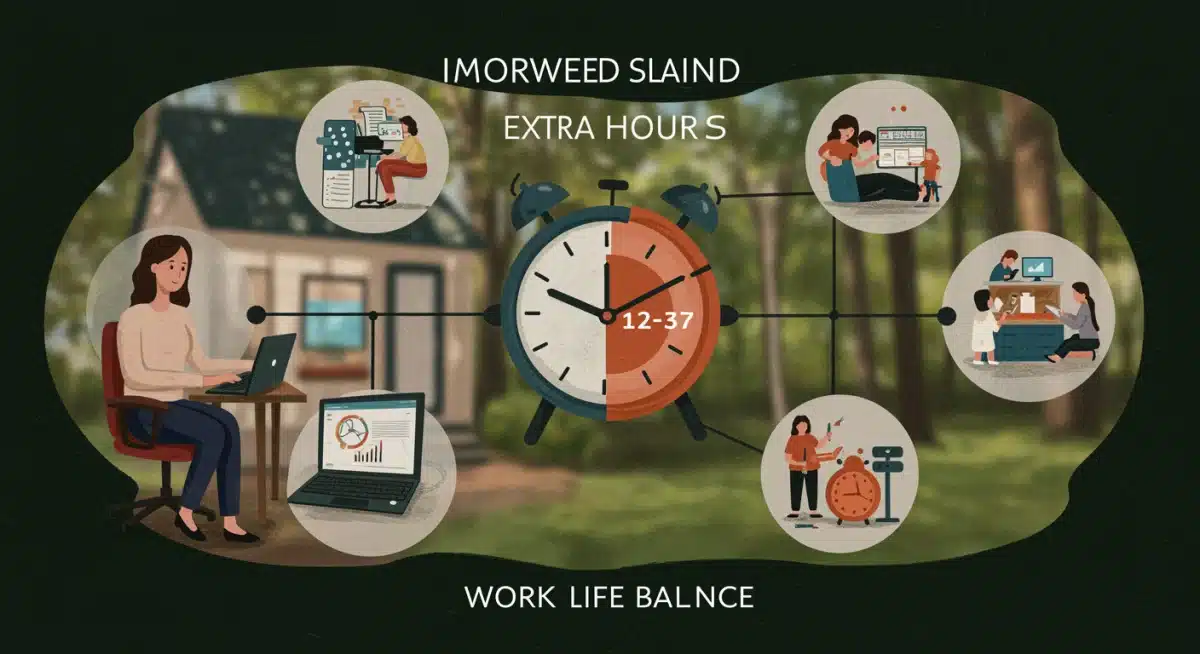
Another crucial step is to audit your digital habits. Many of us scroll mindlessly, checking apps out of habit rather than necessity. Use screen time tracking tools available on most smartphones to understand where your time is truly going. This awareness is powerful and can highlight areas for significant reduction.
Implementing Digital Boundaries and Habits
Creating and sticking to digital boundaries is paramount. This involves more than just turning off notifications; it’s about re-training your brain and establishing new routines that prioritize real-world interactions and personal well-being. Consider the ‘digital Sabbath,’ a concept of dedicating one day a week to being completely offline.
- Notification Management: Turn off non-essential notifications on all devices. Prioritize only critical alerts.
- Scheduled Screen Time: Allocate specific blocks of time for checking emails, social media, and news, rather than constant access.
- Physical Separation: Keep your phone out of reach, especially during meals, conversations, and before bedtime.
- Tech-Free Activities: Actively plan and engage in hobbies or activities that do not involve screens, such as reading, gardening, or walking.
For US professionals, this also extends to work-related digital boundaries. Clearly communicate your ‘off-hours’ to colleagues and clients. Use out-of-office replies and delay sending emails until business hours. These small but consistent actions can significantly contribute to reclaiming your personal time.
By adopting these practical steps for strategic disconnection, you can systematically reduce digital interference, fostering a healthier digital environment that supports your goal to reclaim 10 hours weekly and achieve a better work-life balance in 2026.
Embracing Analog Alternatives: Rediscovering the Non-Digital World
One of the most rewarding aspects of a digital detox is the opportunity to rediscover the richness of the analog world. As we strive to reclaim 10 hours weekly, actively replacing screen time with non-digital activities becomes crucial. In 2026, despite technological advancements, the enduring value of tangible experiences and face-to-face interactions remains profound. This shift encourages us to look beyond our screens and engage with our surroundings in more meaningful ways.
Consider dedicating time to hobbies that were once central to your life but have been sidelined by digital distractions. This could be anything from reading physical books, painting, playing a musical instrument, or engaging in hands-on crafts. These activities not only provide a break from screens but also foster creativity, reduce stress, and offer a deep sense of satisfaction that digital consumption often lacks.
Cultivating Non-Digital Habits for Well-being
Embracing analog alternatives also extends to how we connect with others and experience our environment. Instead of texting, try calling or meeting friends in person. Opt for a walk in a park over scrolling through social media. These simple choices can significantly impact your mental and emotional well-being.
- Outdoor Activities: Spend time in nature – hiking, biking, or simply sitting in a park. Nature has a proven calming effect.
- Creative Pursuits: Engage in arts and crafts, writing, drawing, or playing music. These activities stimulate different parts of the brain.
- Social Interactions: Prioritize in-person conversations, board games, or shared meals with friends and family.
- Mindful Practices: Practice meditation, journaling, or simply sitting in silence, allowing your mind to rest from digital input.
For many in the US, the idea of unplugging completely can feel daunting. However, by consciously integrating analog alternatives into your daily routine, you gradually build a more balanced lifestyle. It’s about finding joy and fulfillment in the non-digital realm, recognizing that true connection and relaxation often lie beyond the screen.
By embracing these analog alternatives, you not only support your digital detox efforts but also enrich your life with diverse experiences, deeper connections, and a renewed sense of presence, ultimately helping you to reclaim 10 hours weekly for a more fulfilling work-life balance in 2026.
Work-Life Balance in 2026: A US Professional’s Blueprint
Achieving an optimal work-life balance in 2026, especially for US professionals, requires more than just reducing screen time; it demands a strategic blueprint for integrating digital detox practices into your professional and personal life. The goal is to create a sustainable model where productivity and personal well-being coexist harmoniously, leading to a significant reclaim of valuable time each week.
This blueprint starts with establishing clear boundaries at work. In an era where remote and hybrid work models are prevalent, it’s easy for work to spill into personal hours. Define your working hours and stick to them as much as possible. Communicate these boundaries clearly to your team and clients, setting expectations for response times and availability. This proactive approach helps prevent digital creep into your personal life.
Integrating Detox Practices into Your Professional Life
Beyond setting boundaries, consider how technology can be used more efficiently rather than constantly. Leverage tools for task management and communication that streamline processes, reducing the need for constant checking. Batching emails and messages, for instance, can minimize interruptions and allow for focused work periods.
- Scheduled Communication: Designate specific times for checking and responding to emails and messages, avoiding constant interruptions.
- Prioritize Tasks: Use productivity methods (e.g., Pomodoro Technique) to focus on high-priority tasks without digital distractions.
- Digital-Free Meetings: Encourage and participate in meetings where laptops and phones are put away, fostering better engagement and focus.
- Strategic Use of Automation: Employ automation tools for repetitive tasks, freeing up mental space and time.
Furthermore, advocate for a workplace culture that values employee well-being and encourages digital breaks. This could involve suggesting company-wide ‘no-email after hours’ policies or promoting mindful breaks throughout the day. Leading by example can inspire others to adopt similar practices, creating a more supportive environment.
By consciously designing a blueprint that integrates strategic digital detox practices into both your professional and personal spheres, US professionals in 2026 can effectively reclaim 10 hours weekly, leading to enhanced productivity at work and a richer, more balanced personal life.
Sustaining Your Digital Detox: Long-Term Strategies
The initial enthusiasm for a digital detox can be powerful, but sustaining it for the long term requires ongoing commitment and adaptable strategies. The aim is not just a temporary break from screens, but a permanent recalibration of your relationship with technology to continuously reclaim 10 hours weekly and maintain an enhanced work-life balance in the US. This involves developing habits and mindsets that support mindful technology use over time.
One key to long-term success is regular self-assessment. Periodically review your digital habits and evaluate what’s working and what isn’t. Our lives and technological landscapes evolve, so your digital detox strategy should be flexible enough to adapt. What worked in early 2026 might need adjustments later in the year as new apps or demands emerge.
Building Resilient Digital Habits
Building resilient digital habits means creating a support system and being prepared for inevitable slip-ups. It’s not about perfection, but about consistent effort and learning from challenges. Share your goals with a trusted friend or family member who can offer encouragement and accountability.
- Regular Check-ins: Schedule weekly or monthly reviews of your screen time and digital habits to identify areas for improvement.
- Reward System: Acknowledge and reward your progress in reducing screen time and sticking to your detox goals.
- Learning from Setbacks: If you relapse into old habits, don’t be discouraged. Analyze what triggered it and adjust your strategy.
- Continuous Education: Stay informed about the latest research on technology’s impact on well-being to reinforce your commitment.
Moreover, consider the broader impact of your digital detox on your overall well-being. Are you sleeping better? Do you feel more present in conversations? Are you engaging in more fulfilling activities? These positive outcomes serve as powerful motivators to continue your efforts.
Sustaining your digital detox is an ongoing journey, not a destination. By embracing regular self-assessment, building resilient habits, and focusing on the tangible benefits to your work-life balance, you can ensure that the gains from reclaiming 10 hours weekly become a permanent fixture in your 2026 US lifestyle and beyond.
| Key Aspect | Brief Description |
|---|---|
| Digital Overload | Constant connectivity in 2026 US leads to stress, reduced sleep, and diminished focus. |
| Defining Detox Goals | Set clear, realistic objectives for reducing screen time and improving work-life balance. |
| Strategic Disconnection | Implement digital-free zones, manage notifications, and audit digital habits. |
| Analog Alternatives | Replace screen time with hobbies, outdoor activities, and in-person social interactions. |
Frequently Asked Questions About Digital Detox in 2026
The main benefit is significantly enhanced work-life balance, leading to reduced stress, improved focus, and the ability to reclaim valuable personal time. It allows for a more intentional engagement with both professional and personal responsibilities, fostering overall well-being.
Reclaiming 10 hours weekly involves strategic steps like setting clear digital boundaries, implementing ‘no-screen’ zones, managing notifications, and actively replacing screen time with non-digital activities. Consistency and a phased approach are key to achieving this goal.
Yes, most smartphones and operating systems in 2026 offer built-in screen time tracking and limitation features. Additionally, third-party apps provide more granular control over app usage and notification management. These tools help monitor and restrict digital consumption effectively.
By reducing constant digital interruptions, a digital detox can significantly boost productivity. It allows for longer periods of focused work, reduces decision fatigue, and improves cognitive function, leading to higher quality output in less time.
Effective analog alternatives include reading physical books, engaging in outdoor activities like hiking or gardening, practicing creative arts, spending quality time with loved ones in person, and mindful practices such as meditation or journaling to reconnect with yourself.
Conclusion
The journey to reclaim 10 hours weekly: a 2026 guide to digital detox for enhanced work-life balance in the US is a transformative one. By understanding the pervasive nature of digital overload, setting clear goals, implementing strategic disconnections, and embracing analog alternatives, US professionals can significantly improve their quality of life. This isn’t about rejecting technology but rather about cultivating a more mindful and intentional relationship with it, ensuring that our devices serve us, rather than control us. The benefits extend far beyond reclaiming time, fostering a deeper sense of well-being, enhanced focus, and richer personal connections that are invaluable in our fast-paced world.