
Beyond the 9-to-5: Transform Your Life by January 2027
Achieve a profound personal transformation by January 2027 through a 3-month intentional scheduling plan, moving beyond the traditional 9-to-5 to cultivate greater well-being and a balanced life.

Navigating 2026 Hybrid Work: Mental Well-being & Boundaries
Adapting to the 2026 hybrid work model requires proactive strategies to safeguard mental well-being and establish firm boundaries, essential for sustained productivity and personal health.

The 15% Edge: Micro-Breaks for Peak Productivity and Burnout Prevention
Implementing strategic micro-breaks can significantly enhance productivity and reduce professional burnout, offering a tangible '15% edge' for individuals and organizations striving for optimal work-life balance by mid-2026.

Reclaim 10 Hours Weekly: Digital Detox for US Work-Life Balance
Reclaiming 10 hours weekly through a strategic digital detox is achievable for US professionals in 2026, significantly enhancing work-life balance by reducing screen time and fostering mindful engagement with technology.

Financial Impact of Work-Life Balance: Save 10% on Stress Expenses
Achieving a better work-life balance directly translates into tangible financial savings, especially by reducing stress-related expenses, with a projected 10% annual reduction by 2025.

Wellness Programs & Work-Life Balance in US Companies 2025
This analysis evaluates the effectiveness of wellness programs on work-life balance in US companies in 2025, examining various initiatives and their impact on employee well-being and overall organizational productivity.
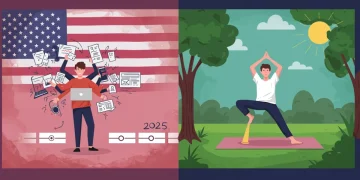
Work-Life Balance: The True Cost in US 2025
Poor work-life balance in 2025 in the US incurs significant costs spanning individual health, organizational productivity, and the national economy, demanding urgent attention and proactive strategies.
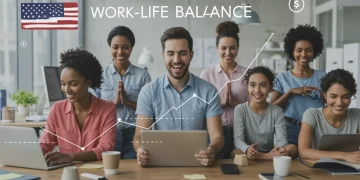
Work-Life Balance: Boost US Productivity 15% by 2025
Prioritizing work-life balance significantly boosts US worker productivity by 15% by 2025, translating into substantial financial gains for businesses and enhanced employee well-being across the nation.

Crafting Your 2025 Work-Life Balance Plan: 3 Practical Steps
Crafting a personalized work-life balance plan for 2025 involves identifying priorities, setting boundaries, and implementing flexible strategies to achieve sustainable well-being and professional success.

Workplace Mental Health Programs: US Evolution in Late 2025
The landscape of mental health support in US workplaces saw significant evolution in the last three months of 2025, marked by a surge in personalized, technology-driven, and preventive programs.