Mindful practices offer a tangible solution to reduce burnout by 20% among U.S. workers, directly impacting financial well-being through improved productivity, reduced healthcare costs, and enhanced job retention, as outlined in a comprehensive 3-month plan.
The contemporary U.S. workforce faces unprecedented levels of stress and exhaustion, leading to a pervasive issue known as burnout. The financial impact: reducing burnout by 20% through mindful practices – a 3-month plan for U.S. workers is not merely a feel-good initiative; it represents a strategic imperative for both individual well-being and organizational prosperity. This article delves into how targeted mindful interventions can tangibly mitigate burnout, outlining a practical three-month strategy designed to yield significant financial returns and cultivate a healthier, more productive work environment.
Understanding the Burnout Epidemic and its Cost
Burnout, recognized by the World Health Organization as an occupational phenomenon, is characterized by feelings of energy depletion or exhaustion, increased mental distance from one’s job, or feelings of negativism or cynicism related to one’s job, and reduced professional efficacy. In the United States, this epidemic has far-reaching consequences, extending beyond individual suffering to inflict substantial economic damage on businesses and the national economy.
The financial toll of burnout is staggering. It manifests in various forms, including increased healthcare costs due to stress-related illnesses, higher rates of absenteeism, decreased productivity, and elevated employee turnover. When employees are burned out, their decision-making capabilities diminish, creativity wanes, and overall job performance suffers. This directly translates into missed deadlines, lower quality output, and a reduced capacity for innovation, all of which impact a company’s bottom line.
The Hidden Costs of Employee Burnout
Many organizations underestimate the full spectrum of costs associated with employee burnout. Beyond the obvious expenses, there are less visible but equally damaging repercussions. For instance, a burned-out employee is more likely to make errors, leading to rework or even costly legal issues in some industries. The ripple effect of one burned-out individual can also negatively impact team morale and overall organizational culture, creating a cycle of dissatisfaction.
- Healthcare Expenses: Chronic stress from burnout contributes to a myriad of health issues, from cardiovascular disease to mental health disorders, significantly increasing medical claims and insurance premiums for employers.
- Absenteeism and Presenteeism: Burned-out employees take more sick days. Even when they are at work (presenteeism), their productivity is severely compromised, costing companies billions annually in lost output.
- Turnover Rates: High burnout levels are a primary driver of employee attrition. The cost of replacing an employee can range from 50% to 200% of their annual salary, encompassing recruitment, onboarding, and training expenses.
- Reduced Innovation: Exhaustion stifles creativity and problem-solving, hindering a company’s ability to adapt and innovate in a competitive market.
Recognizing these multifaceted costs is the first step toward advocating for and implementing effective burnout reduction strategies. The investment in employee well-being, particularly through mindful practices, can lead to substantial financial savings and a more resilient workforce.
The Power of Mindful Practices in the Workplace
Mindfulness, often defined as paying attention in a particular way: on purpose, in the present moment, and non-judgmentally, has emerged as a potent antidote to the chronic stress and mental fatigue that characterize burnout. Far from being a fleeting trend, mindful practices are backed by robust scientific research demonstrating their efficacy in enhancing cognitive function, emotional regulation, and overall well-being. When integrated into the workplace, these practices can fundamentally shift an individual’s relationship with stress, transforming reactive responses into thoughtful engagements.
The core of mindfulness involves cultivating an awareness of one’s thoughts, feelings, and bodily sensations without getting entangled in them. This simple yet profound shift allows individuals to observe stressors from a distance, rather than being overwhelmed by them. For U.S. workers grappling with demanding schedules and constant connectivity, even short periods of mindful awareness can provide significant relief and foster a sense of control amidst chaos.
How Mindfulness Counters Burnout Symptoms
Mindfulness directly addresses several key components of burnout. By promoting present-moment awareness, it helps individuals disengage from rumination about past failures or anxieties about future tasks, which are common contributors to mental exhaustion. Regular mindful practice strengthens the prefrontal cortex, the part of the brain responsible for executive functions like decision-making and impulse control, leading to improved focus and reduced mental fatigue.
- Emotional Regulation: Mindfulness teaches individuals to acknowledge and process emotions without being consumed by them, reducing emotional exhaustion.
- Improved Focus and Attention: Consistent practice enhances concentration, allowing workers to tackle tasks more efficiently and reduce errors, thereby increasing professional efficacy.
- Stress Reduction: Mindfulness lowers cortisol levels, the primary stress hormone, leading to a calmer nervous system and reduced physical symptoms of stress.
- Enhanced Self-Compassion: It encourages a kinder attitude towards oneself, counteracting the self-criticism often associated with feelings of inadequacy in burnout.
Implementing mindful practices doesn’t require extensive time commitments. Even brief, guided meditations or mindful breathing exercises performed throughout the day can accumulate significant benefits. The cumulative effect of these small interventions builds resilience, equipping employees with better coping mechanisms to navigate workplace pressures and prevent the onset or progression of burnout.
The 3-Month Plan: A Phased Approach to Burnout Reduction
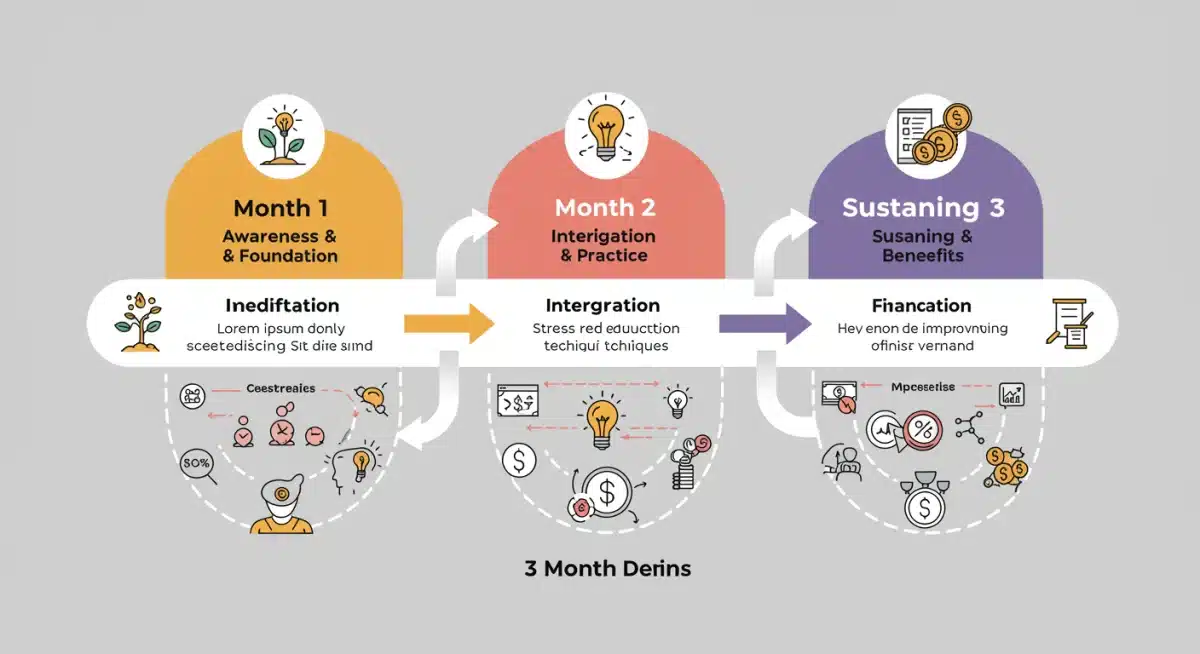
Achieving a 20% reduction in burnout requires a structured, consistent approach. Our 3-month plan is designed to progressively integrate mindful practices into the daily routines of U.S. workers, building foundational skills in the first month and advancing to deeper integration and sustained practice by the third. This phased strategy ensures that changes are gradual, sustainable, and tailored to foster lasting well-being and productivity.
Month 1: Awareness and Foundation
The initial month focuses on building a fundamental understanding of mindfulness and introducing basic practices. The goal is to raise awareness about stress triggers and the benefits of present-moment attention. This phase emphasizes short, accessible exercises to minimize resistance and encourage regular engagement.
- Weekly Guided Meditations (10-15 minutes): Introduce short, guided meditations focusing on breath awareness and body scans. Resources like Headspace or Calm can be invaluable.
- Mindful Breathing Breaks: Encourage 2-3 minute mindful breathing exercises before meetings or during periods of high stress.
- Burnout Self-Assessment: Provide tools for workers to gauge their current burnout levels at the beginning and end of the month to track initial progress and foster self-awareness.
- Educational Workshops: Host brief workshops (30-45 minutes) explaining the science behind mindfulness and its benefits for stress reduction and focus.
The emphasis in Month 1 is on gentle introduction and consistent, albeit brief, practice. The aim is to make mindfulness less intimidating and more approachable for everyone, laying the groundwork for deeper engagement in subsequent months. Establishing a routine, even a minimal one, is crucial.
Month 2: Integration and Practice
Having established a basic foundation, Month 2 shifts towards integrating mindfulness more deeply into daily work and personal life. Practices become slightly longer, and the focus expands to include mindful eating, walking, and communication. This phase aims to make mindfulness a more natural part of one’s routine, extending its benefits beyond formal meditation sessions.

Expanding Mindful Habits
Workers are encouraged to explore how mindfulness can be applied to various aspects of their day. This includes paying full attention during meals, noticing sensations during walks, and practicing active listening during conversations. These simple shifts can significantly reduce the mental clutter that contributes to burnout.
- Mindful Movement (10 minutes daily): Incorporate short periods of mindful stretching or walking, perhaps during lunch breaks.
- Mindful Communication: Practice active listening in meetings and conversations, fostering deeper engagement and reducing misunderstandings.
- Reflection Journaling: Encourage a daily 5-minute journaling practice to reflect on moments of mindfulness and identify ongoing stressors.
- Mid-Month Check-in: Conduct a brief survey or informal check-in to gather feedback and adjust the program as needed, ensuring it remains relevant and effective.
By the end of Month 2, participants should feel more comfortable with mindful practices and begin to experience noticeable shifts in their stress levels and ability to focus. The goal is to move from simply practicing mindfulness to living more mindfully, thereby building greater resilience against burnout.
Month 3: Sustaining and Benefits Realization
The final month focuses on solidifying mindful habits and exploring advanced techniques, ensuring that the benefits are sustained long-term. This phase also emphasizes recognizing the tangible improvements in well-being and productivity, reinforcing the value of continued practice. The aim is to empower individuals to become self-sufficient in their mindfulness journey.
Long-Term Integration and Advanced Practices
Month 3 encourages participants to personalize their mindfulness routines, finding practices that resonate most with them. This might include exploring different meditation styles, incorporating longer periods of silent practice, or engaging in mindful self-compassion exercises. The emphasis is on making mindfulness a lifelong tool for managing stress and enhancing overall quality of life.
- Personalized Mindfulness Routines: Encourage individuals to create their own daily mindfulness schedule, integrating practices that fit their lifestyle.
- Advanced Guided Meditations: Introduce meditations focused on compassion, gratitude, or navigating difficult emotions.
- Group Sharing Sessions: Facilitate optional peer-sharing sessions to discuss experiences, challenges, and successes, fostering a supportive community.
- Final Burnout Assessment and Impact Review: Conduct a comprehensive assessment to measure the 20% reduction target and quantify the financial impact on the organization.
By the end of Month 3, workers should not only have reduced their burnout levels but also possess a robust set of tools and a deepened understanding of how to maintain their well-being. This sustained practice leads to long-term benefits, both personal and professional, reinforcing the initial investment in mindful practices.
Quantifying the Financial Return on Investment (ROI)
Reducing burnout by 20% through mindful practices is not just about employee well-being; it’s a strategic financial decision for U.S. businesses. The return on investment (ROI) can be quantified by analyzing several key metrics, demonstrating how investing in mindfulness translates into tangible cost savings and increased profitability. This section explores the direct and indirect financial benefits that accrue from a less burned-out workforce.
Consider a company with 1,000 employees. If 50% of them experience moderate to high burnout, reducing this by 20% means 100 fewer employees suffering from burnout. The conservative estimate for the cost of burnout per employee is often cited between $1,500 and $3,500 annually, primarily due to absenteeism, presenteeism, and healthcare costs. A 20% reduction could therefore save a mid-sized company hundreds of thousands of dollars annually, not to mention the qualitative benefits.
Measuring the Impact on Key Business Metrics
The financial benefits extend across various operational aspects. Improved employee health directly reduces healthcare expenditures. Enhanced focus and engagement lead to higher productivity and fewer errors, minimizing rework and improving output quality. Furthermore, a workforce with lower burnout rates is more likely to remain with the company, significantly cutting down on recruitment and training costs associated with high turnover.
- Reduced Healthcare Costs: A decrease in stress-related illnesses means fewer medical claims and potentially lower insurance premiums over time.
- Increased Productivity: Mindful employees are more focused, efficient, and less prone to errors, leading to higher output and better quality work.
- Lower Absenteeism: Fewer sick days taken due to stress or exhaustion directly translates to more consistent workforce availability.
- Decreased Turnover: Employees who feel valued and supported, and who possess tools to manage stress, are more likely to stay, reducing the substantial costs of employee replacement.
- Improved Innovation and Creativity: A calmer, more focused mind is a more creative mind, fostering innovation that can drive business growth.
Companies that prioritize employee well-being through initiatives like mindfulness also gain a competitive edge in attracting and retaining top talent. This positive employer brand, coupled with a healthier and more productive workforce, creates a virtuous cycle of success, making the investment in mindful practices a clear financial win.
Overcoming Implementation Challenges
While the benefits of integrating mindful practices are clear, organizations may encounter various challenges during implementation. Overcoming these hurdles requires thoughtful planning, consistent communication, and a commitment from leadership. Common obstacles include employee skepticism, lack of time, and difficulty in measuring tangible results. Addressing these proactively is essential for the successful adoption of any burnout reduction program.
One primary challenge is the perception that mindfulness is a ‘soft skill’ or ‘new-age’ concept, rather than a legitimate and evidence-based tool for professional development and well-being. Another significant barrier is the pervasive ‘busyness’ culture, where employees feel they don’t have time for anything beyond their core tasks. Leadership buy-in and active participation are crucial to signal that these practices are valued and supported.
Strategies for Successful Adoption
To ensure a smooth rollout and maximize engagement, a multi-pronged approach is recommended. This includes making mindfulness accessible, demonstrating its relevance to work performance, and clearly communicating the benefits. Starting with small, voluntary initiatives can also help build momentum and gather internal champions.
- Lead by Example: When leaders actively participate in mindful practices, it normalizes the behavior and encourages wider adoption.
- Start Small and Build Up: Begin with short, optional sessions, gradually increasing duration and frequency as comfort and interest grow.
- Provide Diverse Resources: Offer a variety of mindfulness tools, including apps, guided meditations, and in-person workshops, to cater to different preferences.
- Integrate into Existing Structures: Weave mindful moments into existing meeting agendas or create dedicated ‘mindful breaks’ during the workday.
- Communicate Benefits Clearly: Emphasize the direct link between mindfulness, reduced burnout, and improved work performance and personal well-being. Highlight success stories.
By thoughtfully addressing these challenges, organizations can successfully integrate mindful practices, paving the way for a healthier, more resilient workforce and realizing the significant financial returns associated with a 20% reduction in burnout.
Cultivating a Culture of Well-being for Long-Term Success
The journey to reducing burnout by 20% through mindful practices extends beyond a three-month plan; it is about cultivating a sustainable culture of well-being within the organization. A culture that prioritizes mental health, encourages self-care, and integrates mindfulness into its fabric is one that fosters long-term employee engagement, resilience, and ultimately, greater organizational success. This involves a continuous commitment from leadership and the active participation of every employee.
A true culture of well-being is not built on isolated programs but on systemic changes that reflect a genuine investment in people. This means creating an environment where employees feel safe to discuss stress, where resources for mental health are readily available, and where the importance of balance is reinforced through policies and practices. When well-being is embedded in the organizational DNA, it becomes a shared responsibility and a collective asset.
Key Elements of a Sustainable Well-being Culture
Sustaining the benefits of burnout reduction requires ongoing effort and a holistic perspective. This includes continuous education, accessible support systems, and a commitment to work-life integration. It’s about recognizing that employee well-being is not a luxury, but a fundamental driver of productivity and innovation.
- Leadership Commitment: Leaders must consistently champion well-being initiatives and demonstrate their own commitment to mindful practices.
- Ongoing Education and Resources: Provide continuous access to mindfulness training, workshops, and digital resources to keep the practices fresh and accessible.
- Flexible Work Arrangements: Offer flexibility in work schedules and locations when possible, allowing employees to better manage personal and professional demands.
- Supportive Policies: Implement policies that promote work-life balance, such as reasonable workloads, clear communication boundaries outside of work hours, and mental health days.
- Feedback and Adaptation: Regularly solicit feedback from employees on well-being initiatives and adapt programs to meet evolving needs and preferences.
By embedding these elements, organizations can move beyond temporary fixes to create an enduring environment where employees thrive, feeling supported, engaged, and less susceptible to the debilitating effects of burnout. This holistic approach ensures that the financial benefits of reduced burnout are not only achieved but also sustained for years to come, securing a healthier and more prosperous future for both employees and the company.
| Key Aspect | Brief Description |
|---|---|
| Burnout Costs | High expenses from healthcare, absenteeism, turnover, and reduced productivity. |
| Mindfulness Benefits | Improves focus, emotional regulation, and stress reduction, directly countering burnout. |
| 3-Month Plan Goals | Phased approach for awareness, integration, and sustained mindful practices. |
| Financial ROI | Quantifiable savings from reduced health costs, turnover, and increased productivity. |
Frequently Asked Questions About Burnout and Mindfulness
Employee burnout leads to substantial financial losses for U.S. companies through increased healthcare costs, higher rates of absenteeism and presenteeism (reduced productivity at work), and significant expenses associated with employee turnover, including recruitment and training for replacements. These costs can amount to thousands of dollars per burned-out employee annually.
Mindful practices reduce burnout by enhancing emotional regulation, improving focus, and decreasing stress levels. They help individuals observe stressors without being overwhelmed, leading to a calmer nervous system and improved cognitive function. This increased resilience and mental clarity directly counter the exhaustion and cynicism characteristic of burnout, fostering a more positive work experience.
The 3-month plan is a phased approach starting with Month 1: Awareness and Foundation, introducing basic mindfulness and self-assessment. Month 2: Integration and Practice, focuses on applying mindfulness to daily tasks. Month 3: Sustaining and Benefits Realization, solidifies habits and explores advanced techniques to ensure long-term well-being and measure overall impact on burnout levels.
Yes, there is a measurable ROI. A 20% reduction in burnout can lead to significant financial savings from decreased healthcare expenditures, lower employee turnover rates, and increased productivity due to enhanced focus and reduced absenteeism. These benefits contribute directly to a company’s profitability and competitive advantage, making it a sound strategic investment.
Key challenges include employee skepticism about mindfulness’s effectiveness, a perceived lack of time due to demanding schedules, and securing strong leadership buy-in. Overcoming these requires clear communication of benefits, making practices accessible and relevant to work performance, and fostering a supportive culture that values well-being as a core organizational asset.
Conclusion
The pervasive issue of burnout among U.S. workers presents a critical challenge with substantial financial implications for both individuals and organizations. However, the strategic implementation of mindful practices, as outlined in our comprehensive three-month plan, offers a powerful and empirically supported solution. By fostering awareness, integrating daily practices, and ensuring long-term sustainability, a 20% reduction in burnout is not only achievable but also yields significant returns on investment through reduced healthcare costs, increased productivity, and improved employee retention. Embracing mindfulness is no longer just a wellness initiative; it is a vital component of a resilient, productive, and financially sound workforce in today’s dynamic professional landscape.