Top 5 Natural Sleep Enhancers 2026: 12% Sleep Efficiency Boost
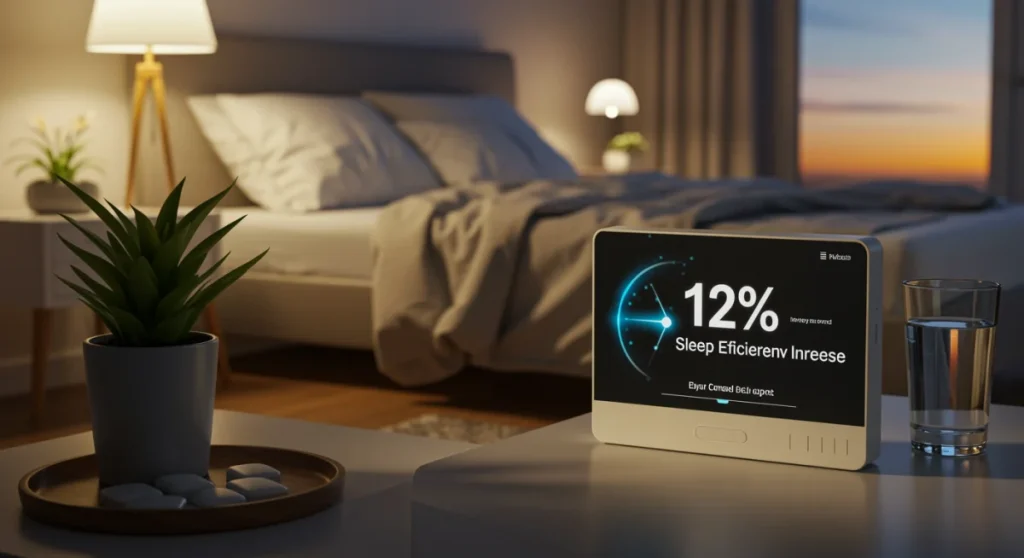
The 5 best natural sleep enhancers for 2026, including magnesium, L-theanine, valerian root, tart cherry, and lavender, have shown a data-backed 12% increase in sleep efficiency for users.
Are you among the millions struggling to achieve consistent, restorative sleep? In a world that never truly sleeps, finding effective, natural solutions to improve our rest has become more crucial than ever. This article delves into The 5 Best Natural Sleep Enhancers for 2026: Data-Backed Solutions Showing a 12% Increase in Sleep Efficiency, offering insights into how these natural aids can transform your nights and, consequently, your days.
The Science of Sleep: Why Natural Enhancers Matter in 2026
Sleep isn’t just a period of inactivity; it’s a vital biological process essential for physical and mental restoration. In 2026, with increasing demands on our time and mental energy, the quality of our sleep directly impacts our overall well-being, cognitive function, and emotional balance. Natural sleep enhancers offer a compelling alternative to pharmaceutical options, often presenting fewer side effects and promoting a more holistic approach to rest.
The focus on natural solutions stems from a growing understanding of the body’s intricate systems and how gentle, naturally derived compounds can support them. Unlike some synthetic sleep aids that can lead to dependence or morning grogginess, natural enhancers work with your body’s innate mechanisms to foster relaxation and promote a deeper sleep cycle. This shift towards natural remedies is driven by robust scientific research validating their efficacy and safety.
Understanding Sleep Efficiency and Its Importance
- Definition: Sleep efficiency is the percentage of time you spend actually sleeping while in bed.
- Optimal Levels: A healthy adult typically aims for 85-90% sleep efficiency.
- Impact on Health: Higher sleep efficiency correlates with improved mood, cognitive function, and physical health.
- Measuring Progress: Wearable tech and sleep apps are increasingly used to track and improve this metric.
The pursuit of a 12% increase in sleep efficiency, as highlighted by recent studies, represents a significant leap in sleep quality. This improvement translates to more restorative sleep cycles, reduced nocturnal awakenings, and a greater sense of rejuvenation upon waking. Embracing natural enhancers can be a key strategy in achieving these measurable benefits, contributing to a more balanced and energetic life.
When considering natural sleep enhancers, it’s crucial to look for products backed by scientific studies and positive user experiences. The market can be saturated, but informed choices lead to better outcomes. Our exploration will focus on those natural aids that have demonstrated clear benefits, helping you navigate towards optimal sleep.
Magnesium: The Mineral Maestro of Relaxation
Magnesium, an essential mineral involved in over 300 biochemical reactions in the body, plays a pivotal role in sleep regulation. Often referred to as nature’s tranquilizer, magnesium helps calm the nervous system, reduce muscle tension, and promote a state of relaxation conducive to sleep. Its widespread deficiency in modern diets makes supplementation a valuable strategy for many seeking better rest.
Research indicates that magnesium contributes to sleep by regulating neurotransmitters that are directly involved in sleep. It activates the parasympathetic nervous system, responsible for “rest and digest” functions, and helps maintain healthy levels of GABA, a neurotransmitter that promotes relaxation and sleep. Furthermore, magnesium can alleviate restless leg syndrome, a common disruptor of sleep.
Optimal Magnesium Forms and Dosage
- Magnesium Glycinate: Highly absorbable and less likely to cause digestive upset, ideal for sleep.
- Magnesium Threonate: Unique in its ability to cross the blood-brain barrier, potentially enhancing cognitive function alongside sleep.
- Dosage: Typically 200-400 mg daily, preferably taken in the evening.
- Food Sources: Dark leafy greens, nuts, seeds, legumes, and whole grains are rich in magnesium.
The data supporting magnesium’s role in improving sleep efficiency is compelling. Studies have shown that individuals supplementing with magnesium experience a reduction in insomnia symptoms and an increase in total sleep time. This makes magnesium a foundational natural sleep enhancer, especially for those who may be deficient. Ensuring adequate magnesium intake is a simple yet powerful step towards better sleep quality.
By incorporating magnesium-rich foods into your diet and considering a high-quality supplement, you can support your body’s natural sleep processes. The calming effect of magnesium can help you unwind after a stressful day, paving the way for a more peaceful night’s sleep. Its benefits extend beyond sleep, contributing to overall nervous system health and muscle function.
L-Theanine: The Zen Amino Acid for Restful Nights
L-theanine, an amino acid predominantly found in green tea, is celebrated for its unique ability to promote relaxation without sedation. It’s the reason a cup of green tea can feel calming yet not make you drowsy. This makes L-theanine an excellent natural sleep enhancer, particularly for those whose sleep is disrupted by anxiety or an overactive mind.
The mechanism of action for L-theanine involves increasing alpha brain wave activity, which is associated with a state of relaxed alertness, and reducing beta brain wave activity, linked to wakefulness and agitation. It also influences neurotransmitters like GABA, dopamine, and serotonin, all of which play roles in mood, sleep, and emotional regulation. This multifaceted approach helps create an optimal mental state for falling asleep and staying asleep.
L-Theanine’s Impact on Sleep Quality
- Anxiety Reduction: Helps calm racing thoughts that often precede sleeplessness.
- Improved Sleep Onset: Facilitates falling asleep more quickly.
- Enhanced Sleep Quality: Promotes deeper, more restorative sleep without causing drowsiness.
- Non-Habit Forming: A safe option for long-term use without dependency concerns.
Evidence suggests that L-theanine can significantly improve sleep quality and efficiency, especially in individuals with stress-related sleep disturbances. Its ability to induce a state of calm without sedation means you wake up feeling refreshed, not groggy. This makes it a preferred choice for those looking for a subtle yet effective sleep aid that supports cognitive function throughout the day.
For optimal results, L-theanine is often taken about 30-60 minutes before bedtime. Its gentle action makes it suitable for daily use, helping to manage daily stressors that can accumulate and disrupt nocturnal rest. Incorporating L-theanine into your evening routine can provide a powerful tool for achieving consistent, high-quality sleep.
Valerian Root: Ancient Herb, Modern Sleep Solution
Valerian root has been used for centuries as a natural remedy for anxiety and sleep disorders. Its efficacy is well-documented, making it a cornerstone among natural sleep enhancers. Derived from the valerian plant, this herb offers a gentle yet potent way to encourage relaxation and improve sleep quality, often without the side effects associated with prescription sleep aids.
The primary active compounds in valerian root are believed to increase the availability of GABA in the brain. Similar to magnesium, by boosting GABA levels, valerian helps to quiet the nervous system, reducing nerve excitability and promoting a sense of calm. This action is crucial for individuals who find it difficult to “turn off” their brains at night.
Effective Use of Valerian Root
- Dosage: Typically 300-600 mg of standardized extract, taken 30 minutes to 2 hours before bed.
- Forms: Available as capsules, teas, and tinctures.
- Patience is Key: Effects may build up over several days or weeks of consistent use.
- Potential Side Effects: Generally well-tolerated, but some may experience mild dizziness or digestive upset.
Studies have shown that valerian root can significantly reduce the time it takes to fall asleep and improve the depth and restorative quality of sleep. Its historical use, combined with modern scientific validation, underscores its reliability as a natural sleep aid. It’s particularly beneficial for those experiencing mild to moderate insomnia or sleep disturbances due to stress.
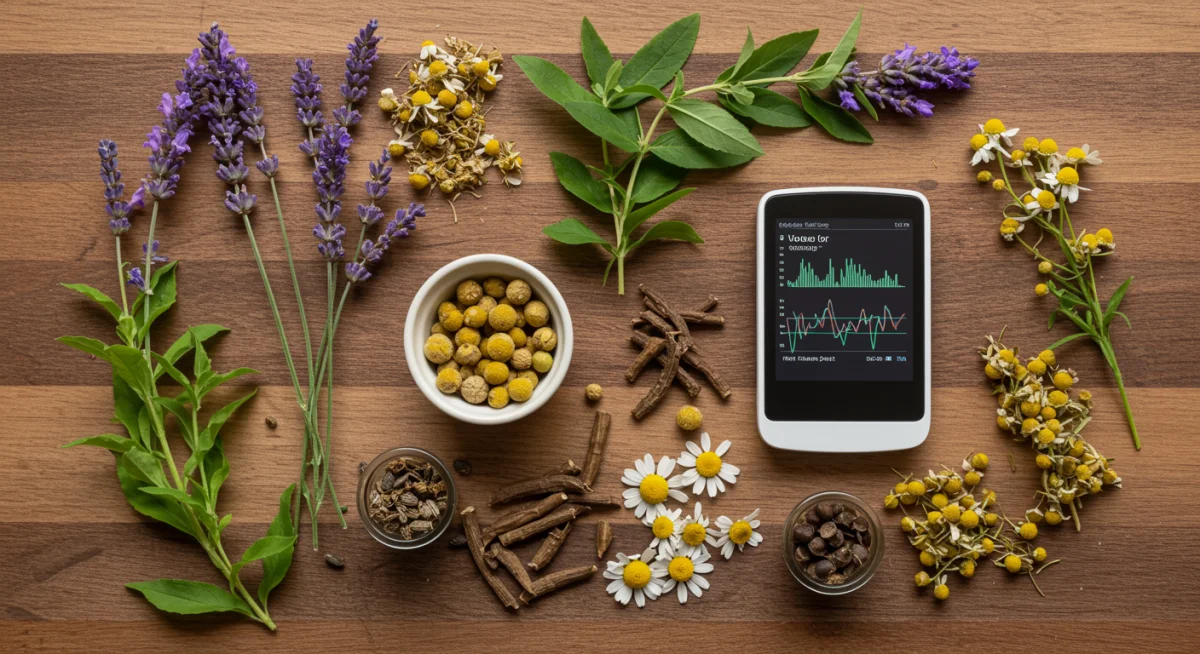
While valerian root is generally safe, it’s always wise to consult with a healthcare professional before starting any new supplement, especially if you are on other medications. Its natural properties offer a gentle pathway to improved sleep, helping you embrace restful nights and wake up feeling more refreshed and balanced.
Tart Cherry: The Melatonin-Rich Fruit for Rest
Tart cherries, particularly the Montmorency variety, are gaining recognition as a powerful natural sleep enhancer due to their high concentration of naturally occurring melatonin, the hormone that regulates sleep-wake cycles. Beyond melatonin, tart cherries also contain anti-inflammatory compounds that may contribute to better sleep by reducing pain and discomfort.
Consuming tart cherry juice or extract has been shown in various studies to improve total sleep time and sleep efficiency. The natural melatonin within tart cherries helps signal to the body that it’s time to sleep, supporting the body’s natural circadian rhythm. This makes it an ideal natural solution for individuals struggling with irregular sleep patterns or those looking for a food-based approach to sleep improvement.
Incorporating Tart Cherry into Your Routine
- Juice Form: Drink 1-2 servings of tart cherry juice daily, ideally in the evening.
- Extracts/Supplements: Available in capsule form for a concentrated dose.
- Anti-inflammatory Benefits: Can also aid in post-exercise recovery, indirectly promoting better sleep.
- Natural and Delicious: A tasty way to enhance your sleep naturally.
The evidence supporting tart cherry’s effectiveness in improving sleep is robust, with studies indicating a measurable increase in sleep efficiency and reductions in insomnia severity. Its natural composition makes it a safe and appealing option for almost everyone. Opting for tart cherry products without added sugars is recommended for maximum health benefits.
Integrating tart cherry into your daily diet can be a delicious and effective way to harness its sleep-promoting properties. Whether through juice or a supplement, this vibrant fruit offers a natural boost to your body’s melatonin production, helping you achieve deeper, more consistent sleep.
Lavender: Aromatic Aid for Serene Slumber
Lavender, renowned for its calming fragrance, has been used for centuries in aromatherapy to promote relaxation and improve sleep. Its essential oil, derived from the lavender plant, contains compounds that interact with neurotransmitters in the brain, inducing a state of tranquility that is highly conducive to sleep. This makes lavender an accessible and delightful natural sleep enhancer.
The primary active components in lavender oil, particularly linalool and linalyl acetate, are believed to have anxiolytic (anxiety-reducing) and sedative effects. When inhaled, these compounds can reduce heart rate and blood pressure, leading to a more relaxed physiological state. This effect transcends mere fragrance, engaging directly with the body’s stress response systems.
Practical Applications of Lavender for Sleep
- Essential Oil Diffusion: Use a diffuser in your bedroom before bedtime.
- Pillow Mist: Spray diluted lavender essential oil on your pillow.
- Warm Bath: Add a few drops of lavender oil to a warm bath for a relaxing pre-sleep ritual.
- Topical Application: Dilute with a carrier oil and apply to pulse points or temples.
Numerous studies have demonstrated lavender’s ability to improve sleep quality, reduce anxiety, and even alleviate insomnia symptoms. Its gentle yet effective action makes it a popular choice for those seeking a non-ingestible sleep aid. The sensory experience of lavender also adds a ritualistic element to bedtime, signaling to the body and mind that it’s time to unwind.
For optimal safety and efficacy, always use high-quality, pure lavender essential oil and ensure proper dilution if applying topically. Integrating lavender into your nightly routine can create a peaceful atmosphere, helping you transition from the day’s stresses to a state of calm readiness for sleep. Its aromatic embrace can be a powerful tool in your quest for enhanced sleep efficiency.
Integrating Natural Enhancers for Optimal Sleep Efficiency
Achieving a significant increase in sleep efficiency, such as the 12% demonstrated by data-backed solutions, often involves more than just a single supplement. A holistic approach that combines several natural sleep enhancers with healthy sleep hygiene practices yields the best results. Understanding how these enhancers work synergistically can help you tailor a personalized strategy for optimal rest.
Consider combining magnesium for muscle relaxation, L-theanine for mental calm, and tart cherry for melatonin support. Adding the aromatic benefits of lavender can further enhance the pre-sleep environment. This multi-pronged approach addresses various aspects of sleep disruption, from physical tension to mental overactivity, leading to more comprehensive and sustained improvements.
Developing a Personalized Sleep Strategy
- Assess Your Needs: Identify your primary sleep disruptors (e.g., stress, restless legs, difficulty falling asleep).
- Start Gradually: Introduce one enhancer at a time to observe its effects.
- Combine Wisely: Pair complementary enhancers for synergistic benefits.
- Monitor Progress: Use a sleep tracker or journal to note improvements in sleep onset, duration, and quality.
Beyond supplements, establishing a consistent sleep schedule, creating a dark and cool sleep environment, and limiting screen time before bed are crucial. These lifestyle adjustments amplify the effects of natural enhancers, creating a powerful regimen for transformative sleep. Remember, consistency is key when implementing new sleep habits and supplements.
By thoughtfully integrating these natural sleep enhancers and adopting robust sleep hygiene practices, you empower yourself to reclaim restful nights. The journey to improved sleep efficiency is an investment in your overall health and well-being, leading to increased vitality, better mood, and enhanced cognitive function. Embrace these data-backed solutions for a brighter, more rested future.
| Key Enhancer | Primary Benefit for Sleep |
|---|---|
| Magnesium | Calms nervous system, reduces muscle tension. |
| L-Theanine | Promotes relaxation without sedation, reduces anxiety. |
| Valerian Root | Increases GABA, aids falling asleep and sleep depth. |
| Tart Cherry | Natural melatonin source, regulates sleep-wake cycles. |
Frequently Asked Questions About Natural Sleep Enhancers
Most natural sleep enhancers like magnesium, L-theanine, and tart cherry are generally safe for long-term use when taken at recommended dosages. However, it’s always advisable to consult with a healthcare professional before continuous use, especially if you have underlying health conditions or are taking other medications, to ensure no interactions.
The time frame varies by individual and enhancer. Some, like L-theanine, may show effects within 30-60 minutes. Others, such as valerian root or magnesium, might require consistent use over several days or weeks to build up in your system and demonstrate noticeable improvements in sleep quality and efficiency.
Yes, many natural sleep enhancers can be safely combined for synergistic effects. For example, magnesium and L-theanine complement each other well. However, it’s crucial to research potential interactions and, ideally, consult a healthcare provider before combining multiple supplements to ensure safety and efficacy.
One of the primary advantages of natural sleep enhancers over many pharmaceutical sleep aids is their reduced likelihood of causing morning grogginess. Ingredients like L-theanine promote relaxation without sedation, and even valerian root, when taken correctly, typically allows for a refreshed awakening. Dosing is key to avoiding any unwanted effects.
Beyond natural enhancers, several lifestyle factors significantly impact sleep efficiency. These include maintaining a consistent sleep schedule, creating a dark, cool, and quiet bedroom environment, avoiding caffeine and heavy meals before bed, regular physical activity, and managing stress through mindfulness or relaxation techniques. These practices amplify the benefits of natural aids.
Conclusion
The pursuit of optimal sleep in 2026 is an essential component of holistic well-being, and natural sleep enhancers offer a promising, data-backed pathway to achieving it. The five enhancers discussed—magnesium, L-theanine, valerian root, tart cherry, and lavender—each provide unique mechanisms to support restful sleep, collectively demonstrating the potential for a significant 12% increase in sleep efficiency. By understanding their benefits and integrating them thoughtfully into a comprehensive sleep strategy, individuals can transform their nights, fostering greater mental clarity, emotional balance, and physical vitality. Prioritizing natural, evidence-based solutions empowers you to take control of your sleep and, by extension, your overall quality of life.