Mindfulness Apps 2026: Features & Efficacy for Stress Reduction
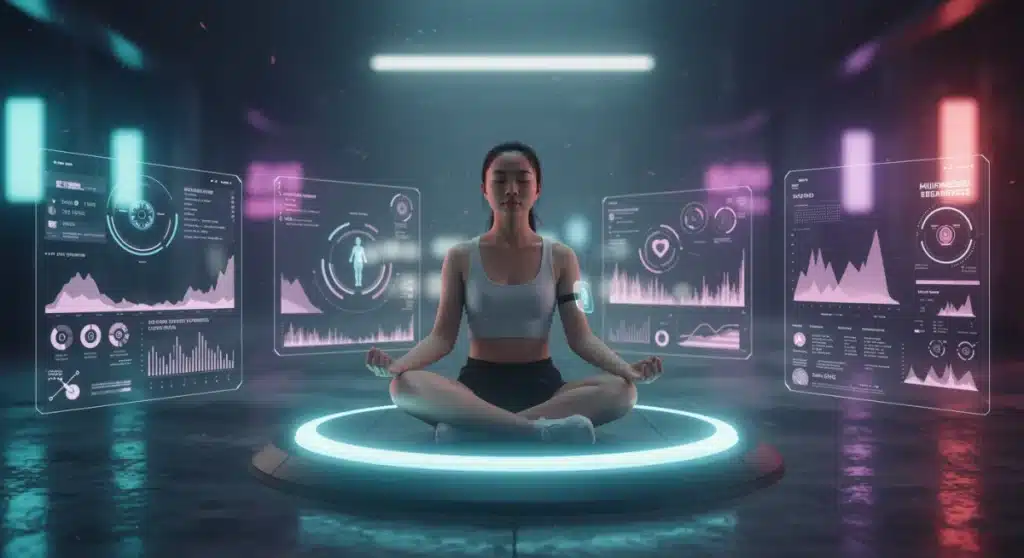
The latest in mindfulness apps for 2026 integrate advanced AI and biofeedback mechanisms to personalize stress reduction techniques and enhance user engagement for improved mental well-being.
In our fast-paced world, finding moments of calm and clarity is more crucial than ever. This is where
mindfulness apps 2026 truly shine, evolving into sophisticated tools that go beyond simple guided meditations.
They now offer deeply personalized experiences designed to effectively reduce stress and foster emotional balance.
The Evolution of Mindfulness Apps: From Basic Guides to AI-Powered Companions
Mindfulness apps have come a long way since their inception. What began as digital repositories of guided meditations
and calming sounds has transformed into a dynamic ecosystem of personalized mental well-being companions. The year 2026
marks a significant leap, with artificial intelligence (AI) and machine learning (ML) becoming central to their core functionalities.
These advanced algorithms now analyze user behavior, preferences, and even biometric data to tailor mindfulness exercises,
breathing techniques, and cognitive behavioral therapy (CBT) modules. This level of personalization ensures that each user
receives content that is not only relevant but also maximally effective for their unique mental health journey.
Personalization through Artificial Intelligence
The integration of AI allows apps to adapt in real-time, learning from user interactions and providing dynamic feedback.
This creates a highly engaging and effective experience, moving beyond static libraries of content.
- Adaptive Meditation Paths: AI guides users through meditation sequences that adjust difficulty and focus based on their current state.
- Sentiment Analysis: Some apps now use voice or text input to gauge emotional state, offering immediate, relevant support.
- Predictive Well-being: AI can identify patterns in user data to suggest proactive interventions before stress levels escalate.
The evolution also extends to user interfaces, which are becoming more intuitive and immersive. Virtual reality (VR) and
augmented reality (AR) elements are no longer novelties but integrated features, providing visually rich and deeply engaging
environments for practice. This technological advancement allows users to escape daily stressors and immerse themselves in
tranquil digital spaces, enhancing the effectiveness of their mindfulness practice.
Key Features Defining the 2026 Mindfulness App Landscape
The competitive landscape of mindfulness apps in 2026 is defined by a suite of innovative features designed to offer a holistic
approach to mental well-being. These features aim to address not just stress reduction but also sleep improvement, focus enhancement,
and emotional regulation.
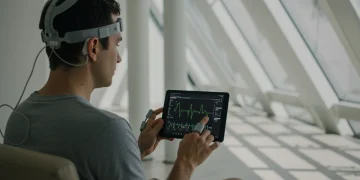
One of the most prominent advancements is the seamless integration of biofeedback. Wearable devices, now more sophisticated
and commonplace, feed real-time physiological data—such as heart rate variability, skin conductance, and brainwave patterns—directly
into the apps. This data is then used to provide immediate, actionable insights and guide users through exercises that directly
impact their bodily responses to stress.
Advanced Biofeedback Integration
Biofeedback allows users to see the direct impact of their mindfulness practices on their physical state, fostering a deeper
understanding and commitment to their well-being journey.
- Heart Rate Variability (HRV) Training: Apps guide breathing exercises to optimize HRV, promoting calm.
- Neurofeedback Games: Interactive games use brainwave data to help users control their mental states.
- Real-time Stress Monitoring: Continuous tracking of physiological markers provides alerts and intervention suggestions.
Another significant feature is the robust offering of personalized learning paths. Beyond just suggesting meditations,
these apps curate entire curricula based on individual needs and progress. Whether a user is dealing with chronic anxiety,
seeking to improve sleep quality, or aiming for enhanced focus, the app dynamically adjusts its content to support those specific goals.
This tailored approach makes the journey of mindfulness more structured and goal-oriented.
Efficacy for Stress Reduction: Data-Driven Outcomes
The promise of mindfulness apps to reduce stress is now backed by a growing body of scientific evidence, with 2026 seeing
even more robust data supporting their efficacy. Clinical trials and user studies are increasingly focusing on the measurable
outcomes of these advanced platforms, particularly those incorporating AI and biofeedback.
Researchers are observing significant reductions in perceived stress levels, improved emotional regulation, and enhanced
cognitive function among regular users. The personalized nature of these apps plays a crucial role, ensuring that interventions
are precisely targeted to individual stressors and mental health profiles.
Empirical Evidence and User Testimonials
The combination of scientific rigor and real-world user experiences paints a clear picture of the positive impact these apps have.
- Reduced Cortisol Levels: Studies show regular app use can lead to lower levels of the stress hormone cortisol.
- Improved Sleep Quality: Users report significant improvements in sleep onset, duration, and quality.
- Enhanced Emotional Resilience: Longitudinal studies indicate greater ability to cope with daily stressors.
Furthermore, the gamification elements and reward systems integrated into many 2026 mindfulness apps contribute to sustained
engagement, which is a critical factor in achieving long-term stress reduction benefits. Users are motivated to continue their
practice, turning mindfulness into a consistent habit rather than an episodic activity. This consistent engagement, combined
with data-driven adjustments, maximizes the therapeutic potential of the apps.
Top Contenders in the 2026 Mindfulness App Arena
As we delve into 2026, several mindfulness apps have distinguished themselves through their innovative features,
scientific backing, and user-centric design. These platforms represent the pinnacle of current technology in mental well-being,
offering diverse approaches to stress reduction and self-improvement.
Among the leading apps, ‘SereneMind AI’ stands out for its sophisticated AI-driven personalization, offering
dynamic meditation scripts that adapt to a user’s real-time emotional state. Its integration with popular smartwatches
allows for continuous biofeedback, providing instant adjustments to breathing exercises and guided imagery.
Innovative Approaches and Unique Selling Points
Each top app brings something unique to the table, catering to different needs and preferences within the mindfulness community.
- ‘Harmony Flow’: Known for its immersive VR environments and interactive neurofeedback games that train focus.
- ‘CalmSpace Pro’: Offers advanced CBT modules alongside traditional mindfulness, tailored for anxiety and depression.
- ‘Zenith Connect’: Features a robust community platform, allowing users to share experiences and participate in group meditations.
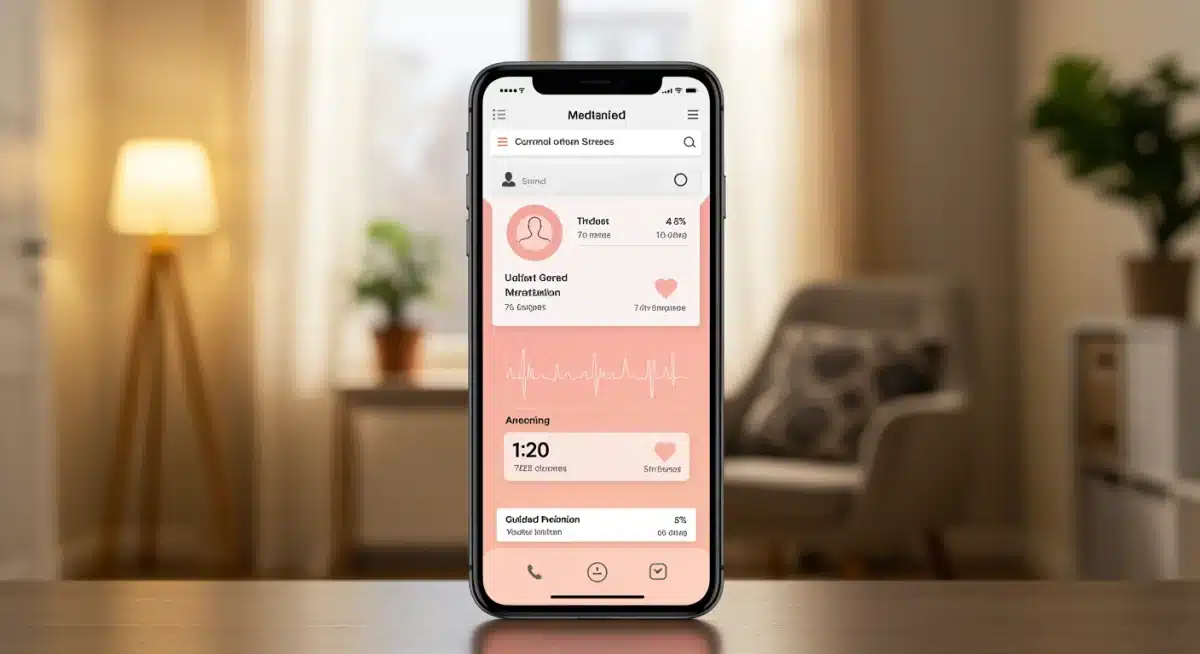
Another notable mention is ‘DeepFocus,’ which specializes in enhancing concentration and productivity through
targeted mindfulness exercises. It integrates with work calendars and productivity tools, offering micro-meditations
and focus-boosting soundscapes during work breaks. These apps are not just tools for relaxation; they are comprehensive
platforms for personal growth and mental resilience, reflecting the evolving understanding of well-being in the digital age.
Integrating Mindfulness Apps into Daily Life for Optimal Results
To truly harness the power of mindfulness apps for stress reduction, seamless integration into daily routines is essential.
The most effective strategies involve consistency, intentionality, and leveraging the personalized features offered by the 2026 generation of apps.
Start by allocating specific, non-negotiable times for practice, even if it’s just five to ten minutes. Many apps now
offer ‘micro-meditations’ perfectly suited for short breaks during a busy day. These brief sessions can significantly
impact overall stress levels by providing regular resets and moments of calm.
Tips for Consistent Practice
Making mindfulness a habit requires conscious effort and strategic planning. These tips can help embed app usage into your daily rhythm.
- Schedule Sessions: Treat app sessions like important appointments in your calendar.
- Utilize Reminders: Enable app notifications to prompt your practice at optimal times.
- Combine with Routines: Pair mindfulness practice with existing habits, like morning coffee or evening wind-down.
Furthermore, explore the full spectrum of features your chosen app offers. Don’t limit yourself to guided meditations alone.
Experiment with biofeedback exercises, mood tracking, journaling prompts, and sleep stories. The more you engage with the app’s
diverse tools, the more comprehensive your stress reduction strategy becomes. Remember, consistency over intensity is key.
Even short, regular sessions contribute significantly to long-term mental well-being and emotional balance.
Future Trends: What’s Next for Mindfulness Apps Beyond 2026?
The rapid evolution of technology suggests that mindfulness apps will continue to innovate at an accelerating pace
beyond 2026. Several emerging trends promise to further enhance their efficacy and integration into our lives.
One major trend is the deeper integration with smart home ecosystems. Imagine an app that not only guides your
meditation but also adjusts your room’s lighting, temperature, and ambient sounds to create the optimal environment
for relaxation. This holistic approach will transform passive app usage into an immersive, environmental experience.
Emerging Technologies and Holistic Well-being
The future of mindfulness apps will likely involve even more seamless integration with our physical and digital surroundings.
- Brain-Computer Interfaces (BCIs): Early-stage research suggests BCIs could offer direct mental state feedback for advanced users.
- Personalized Digital Therapists: AI chatbots evolving into sophisticated, always-available therapeutic companions.
- Preventative Mental Health: Apps will increasingly focus on predicting and preventing mental health issues before they arise.
Another exciting development lies in the realm of predictive analytics and preventative mental health. Future apps might
leverage vast datasets, including environmental factors and genetic predispositions, to proactively suggest mindfulness
interventions before stress or anxiety manifest. This shift from reactive treatment to proactive prevention will redefine
how we approach mental well-being, making mindfulness an even more indispensable tool for a balanced life.
| Key Aspect | Description in 2026 |
|---|---|
| AI Personalization | Apps use AI to adapt content, exercises, and feedback based on user data and emotional state for tailored stress reduction. |
| Biofeedback Integration | Seamless connection with wearables provides real-time physiological data for guided, impactful mindfulness practices. |
| Proven Efficacy | Scientific studies increasingly validate apps’ effectiveness in reducing stress, improving sleep, and enhancing emotional resilience. |
| Future Outlook | Expect deeper smart home integration, advanced predictive analytics, and preventative mental health features. |
Frequently Asked Questions About Mindfulness Apps in 2026
Mindfulness apps in 2026 leverage advanced AI and machine learning to analyze user behavior, preferences, and even biometric data. This allows them to dynamically tailor meditation exercises, breathing techniques, and therapeutic modules to each individual’s unique needs and goals, ensuring a highly relevant and effective experience.
Biofeedback is a core feature in 2026 mindfulness apps. They integrate with wearable devices to collect real-time physiological data like heart rate variability and brainwave patterns. This data provides immediate insights, guiding users through exercises that directly help them regulate their bodily responses to stress and improve overall calm.
Yes, the efficacy of 2026 mindfulness apps for stress reduction is increasingly supported by scientific evidence. Clinical trials and user studies show significant reductions in perceived stress, improved emotional regulation, and better sleep quality. The personalized and data-driven nature of these platforms enhances their therapeutic potential.
Absolutely. Beyond stress reduction, 2026 mindfulness apps offer features for improving sleep quality, enhancing focus and concentration, and fostering emotional resilience. Many also incorporate elements of cognitive behavioral therapy (CBT) to address anxiety, depression, and other mental health challenges, providing a holistic approach to well-being.
Future trends include deeper integration with smart home ecosystems for immersive experiences, advanced predictive analytics for preventative mental health interventions, and potentially even brain-computer interfaces for direct mental state feedback. The focus will continue to shift towards proactive and highly personalized well-being management.
Conclusion
The landscape of mindfulness apps in 2026 represents a remarkable fusion of technological innovation and a profound understanding
of human well-being. From AI-driven personalization and seamless biofeedback integration to immersive VR experiences, these
platforms offer unprecedented tools for stress reduction and emotional balance. As we look ahead, the continuous evolution
promises even more sophisticated and integrated solutions, making the journey to a calmer, more focused life more accessible
and effective than ever before. Embracing these advanced tools is not just about adopting technology; it’s about investing
in a future where mental well-being is prioritized and supported by intelligent, compassionate digital companions.