Optimize Sleep Cycles 2026: 15-Min Evening Boosts REM 20%

Optimizing sleep cycles in 2026 through a focused 15-minute evening routine adjustment can significantly increase REM sleep by up to 20%, enhancing cognitive function and overall well-being.
Are you constantly chasing better sleep, only to wake up feeling unrested? In a world that never truly sleeps, the quest to truly optimize sleep cycles has become more critical than ever. This guide, tailored for 2026, will reveal how a mere 15-minute adjustment to your evening routine can lead to a remarkable 20% boost in your REM sleep, transforming your nights and invigorating your days.
Understanding the Science of Sleep Cycles and REM
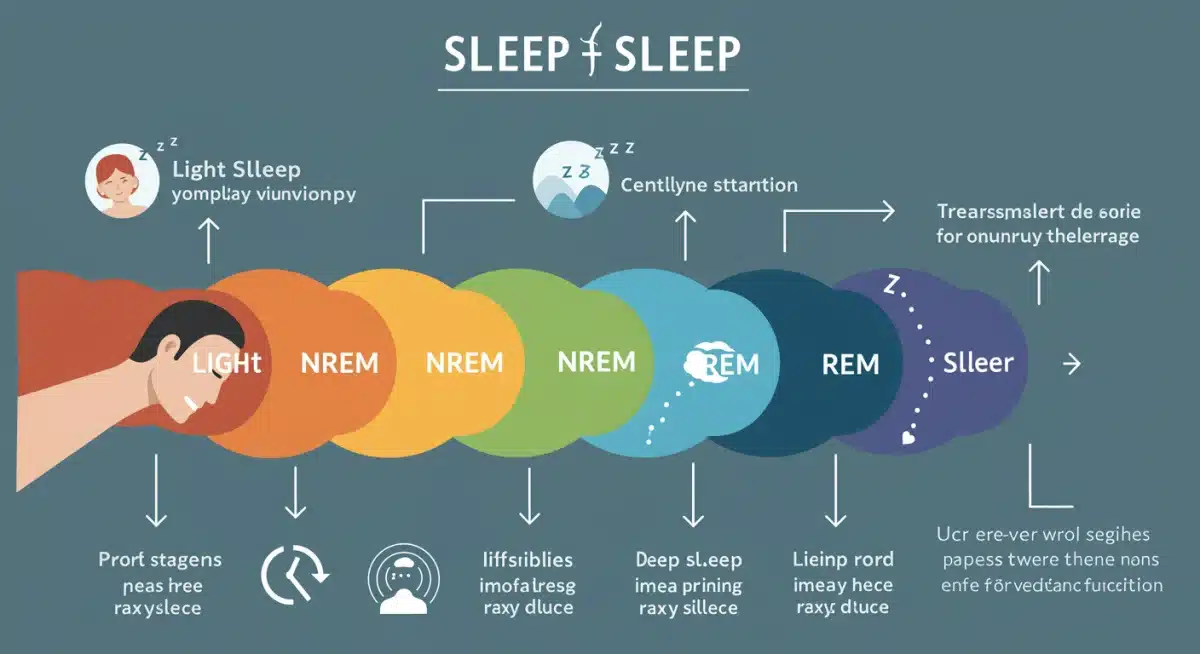
Before we dive into actionable strategies, it’s crucial to grasp what happens when we sleep. Sleep isn’t a monolithic state; it’s a dynamic journey through distinct stages, each vital for our physical and mental restoration. These stages, collectively known as sleep cycles, repeat several times throughout the night.
Rapid Eye Movement (REM) sleep is perhaps the most fascinating and critical stage. It’s when most dreaming occurs, and it plays a paramount role in memory consolidation, learning, and emotional processing. Insufficient REM sleep can lead to cognitive impairment, mood disturbances, and reduced problem-solving abilities. Understanding its importance is the first step toward purposefully enhancing it.
The Four Stages of Sleep
- NREM Stage 1 (N1): This is the initial, very light stage of sleep, often characterized by drowsiness and muscle relaxation.
- NREM Stage 2 (N2): A slightly deeper sleep where heart rate and breathing slow, and body temperature drops. This stage prepares you for deep sleep.
- NREM Stage 3 (N3): Known as deep sleep or slow-wave sleep, this is the most restorative stage for physical recovery and growth.
- REM Sleep: Characterized by rapid eye movements, increased brain activity, temporary muscle paralysis, and vivid dreams. Essential for cognitive functions.
Each sleep cycle typically lasts about 90 to 120 minutes, and we usually experience four to six cycles per night. As the night progresses, the proportion of REM sleep tends to increase, especially in the latter half. Therefore, ensuring uninterrupted sleep for the full duration is key to maximizing REM.
The intricate dance between these stages ensures that both our bodies and minds receive the necessary rest and repair. By focusing on optimizing the conditions for these cycles, particularly REM, we can unlock a higher quality of sleep that directly impacts our waking lives.
The 15-Minute Evening Routine: Your Gateway to Enhanced REM
The idea that a mere 15 minutes can dramatically shift your sleep quality might seem ambitious, but it’s rooted in established chronobiology and sleep hygiene principles. The goal is to signal to your body and brain that it’s time to wind down, creating an optimal physiological environment for deeper, more efficient sleep, especially REM.
This short, intentional period acts as a buffer between the day’s stressors and the night’s restoration. It helps to lower cortisol levels, promote melatonin production, and calm the nervous system, all of which are conducive to entering and sustaining the deeper stages of sleep, including REM.
Crafting Your Personalized Wind-Down Ritual
- Mindful Breathing (5 minutes): Engage in diaphragmatic breathing exercises. Inhale slowly through your nose for four counts, hold for seven, and exhale slowly through your mouth for eight. This activates the parasympathetic nervous system, promoting relaxation.
- Gentle Stretching or Yoga (5 minutes): Simple stretches, focusing on major muscle groups, can release physical tension. Avoid vigorous exercise, which can be stimulating. Poses like child’s pose or legs-up-the-wall are excellent choices.
- Reading or Journaling (5 minutes): Opt for a physical book or journal instead of screens. Reading can distract your mind from daily worries, while journaling allows you to process thoughts and anxieties, clearing your mind for sleep.
Consistency is paramount. Performing this routine at roughly the same time each evening, even on weekends, helps to regulate your circadian rhythm, making it easier for your body to anticipate and prepare for sleep. This predictability is a powerful tool for optimizing your sleep architecture.
Nutritional and Hydration Adjustments for Better Sleep
What you consume, and when, significantly impacts your body’s ability to transition into and maintain restorative sleep. While the 15-minute routine focuses on immediate preparation, these broader dietary habits lay the groundwork for long-term sleep optimization. Small changes here can complement your evening ritual beautifully.
Avoiding heavy meals close to bedtime is a well-known recommendation, but the specifics of what to eat and drink can be just as crucial. Certain nutrients and compounds can either promote or hinder sleep, making informed choices essential for those looking to boost their REM sleep.
Foods and Drinks to Prioritize
- Tryptophan-Rich Foods: Turkey, chicken, nuts, seeds, and dairy products contain tryptophan, an amino acid that aids in serotonin and melatonin production.
- Magnesium-Rich Foods: Leafy greens, almonds, and avocados can help relax muscles and promote a sense of calm.
- Herbal Teas: Chamomile, valerian root, and passionflower teas are natural sedatives that can aid relaxation without the side effects of stronger sleep aids.
Conversely, it’s vital to limit or avoid stimulants like caffeine and nicotine, especially in the afternoon and evening. Alcohol, while it might initially induce sleepiness, disrupts sleep architecture, particularly REM sleep, leading to fragmented and less restorative rest. Staying adequately hydrated throughout the day is also important, but try to reduce fluid intake an hour or two before bed to minimize nighttime awakenings for bathroom breaks.
Environmental Factors: Creating Your Sleep Sanctuary
Your sleep environment plays a monumental role in the quality of your sleep. Even with the best evening routine and dietary habits, a suboptimal bedroom can undermine all your efforts. Think of your bedroom as a sanctuary, a space exclusively dedicated to rest and rejuvenation, free from distractions and discomforts.
Optimizing your sleep environment goes beyond just a comfortable mattress; it encompasses light, sound, temperature, and even air quality. Addressing these factors can create a powerful synergy with your 15-minute routine, making it easier for your body to fall into and stay in deep, REM-rich sleep.
Key Environmental Adjustments
- Darkness: Block out all sources of light. Even small amounts of light can disrupt melatonin production. Consider blackout curtains or an eye mask.
- Silence: Minimize noise. Use earplugs, a white noise machine, or consider soundproofing if your environment is particularly noisy.
- Temperature: Keep your bedroom cool, ideally between 60-67°F (15-19°C). A cooler temperature helps initiate sleep and maintain deeper stages.
- Comfort: Invest in a comfortable mattress and pillows that support your sleep posture. Ensure your bedding is clean and breathable.
Eliminating electronic devices from the bedroom is also crucial. The blue light emitted from screens suppresses melatonin, making it harder to fall asleep and disrupting your circadian rhythm. Designate your bedroom solely for sleep and intimacy, removing any work-related items or entertainment systems. This clear boundary helps your brain associate the space with rest.
Leveraging Technology (Wisely) for Sleep Tracking and Improvement
In 2026, technology offers sophisticated tools to monitor and understand our sleep patterns, providing valuable insights into how our evening routines impact sleep cycles, including REM. However, the key is to use these tools wisely, avoiding the trap of ‘orthosomnia’ – an obsession with perfect sleep metrics that can paradoxically increase anxiety.
Sleep trackers, whether wearable devices or smartphone apps, can offer data on sleep duration, sleep stages (including REM), heart rate, and even breathing patterns. This data, when interpreted correctly, can help you fine-tune your 15-minute evening routine and identify areas for improvement.
Smart Tools for Sleep Enhancement
- Wearable Sleep Trackers: Devices like smartwatches and rings can provide detailed daily reports on your sleep stages and overall sleep quality.
- Smart Lighting Systems: Automated lights that dim and change color temperature in the evening can help signal to your body that it’s time to wind down, mimicking natural light cycles.
- Sound Machines: Advanced sound machines offer adaptive soundscapes that respond to your sleep stages, providing optimal auditory environments for each phase.
While these technologies are powerful, remember they are tools, not solutions in themselves. The data they provide should guide your behavioral changes, not replace them. For instance, if your tracker consistently shows low REM sleep, it might prompt you to be more diligent with your evening wind-down or reassess your caffeine intake. Always prioritize listening to your body’s signals over solely relying on metrics.
The Broader Impact: Beyond REM Sleep
While the primary focus of this guide is to boost REM sleep, the benefits of optimizing your entire sleep cycle extend far beyond this single stage. A well-rested body and mind operate at peak efficiency, influencing every aspect of your daily life. The ripple effect of improved sleep is profound and far-reaching.
Consistent, high-quality sleep, rich in all stages, is a cornerstone of overall health and well-being. It strengthens your immune system, balances hormones, and enhances physical performance. For anyone striving for a more balanced and productive life, prioritizing sleep is not a luxury, but a necessity.
Holistic Benefits of Optimized Sleep
- Enhanced Cognitive Function: Better memory, improved focus, and sharper problem-solving skills.
- Mood Regulation: Reduced irritability, anxiety, and a greater sense of emotional stability.
- Physical Health: Stronger immune system, better metabolic health, and faster physical recovery.
- Increased Productivity: Sustained energy levels throughout the day, leading to greater efficiency in work and personal tasks.
By committing to a consistent 15-minute evening routine and attending to your sleep environment and nutrition, you’re not just chasing a higher REM percentage; you’re investing in a healthier, happier, and more resilient self. The cumulative effect of these small, consistent efforts creates a powerful foundation for robust mental and physical health, preparing you to tackle the challenges and opportunities of 2026 and beyond.
| Key Adjustment | Impact on Sleep |
|---|---|
| 15-Min Evening Routine | Significantly boosts REM sleep by preparing body and mind for rest. |
| Nutritional Choices | Supports melatonin production and muscle relaxation; avoids stimulants. |
| Sleep Environment | Creates optimal conditions (dark, quiet, cool) for uninterrupted, deep sleep. |
| Technology Use | Provides insights for adjustments, but mindful use prevents sleep anxiety. |
Frequently Asked Questions About Sleep Optimization
REM (Rapid Eye Movement) sleep is a crucial stage characterized by vivid dreaming and high brain activity. It’s vital for memory consolidation, learning, emotional regulation, and cognitive processing. Insufficient REM sleep can negatively impact mood, focus, and problem-solving abilities, highlighting its significance for overall well-being.
A consistent 15-minute routine, involving activities like mindful breathing, gentle stretching, or reading, signals to your body that it’s time to wind down. This promotes melatonin production and lowers stress hormones, creating an optimal physiological state that facilitates entry into and maintenance of deeper sleep stages, including REM.
Foods rich in tryptophan, like turkey and nuts, aid in serotonin and melatonin production. Magnesium-rich foods such as leafy greens and avocados help relax muscles. Herbal teas like chamomile also promote relaxation. Avoiding heavy meals, caffeine, and alcohol close to bedtime is equally important for sleep quality.
Technology can be beneficial when used wisely. Sleep trackers provide insights into sleep patterns, helping identify areas for improvement. However, excessive focus on metrics can lead to sleep anxiety (orthosomnia). Use data to guide behavioral changes, such as adjusting your evening routine, rather than allowing it to become a source of stress.
Optimized sleep profoundly impacts overall well-being. It enhances cognitive functions like memory and focus, improves mood regulation, and strengthens the immune system. Additionally, quality sleep balances hormones, aids physical recovery, and boosts daily productivity. It’s a fundamental pillar for sustained mental and physical health.
Conclusion
The pursuit of truly restorative sleep is a journey, and in 2026, the path to optimizing sleep cycles, especially boosting REM sleep by 20%, is clearer than ever. By integrating a consistent 15-minute evening routine, making informed nutritional choices, cultivating a serene sleep environment, and judiciously employing technology, you can profoundly transform your nights. This holistic approach not only enhances your sleep architecture but also positively impacts every facet of your waking life, from cognitive performance to emotional resilience. Embrace these simple yet powerful adjustments, and unlock the profound benefits of truly optimized sleep for a healthier, more vibrant you.